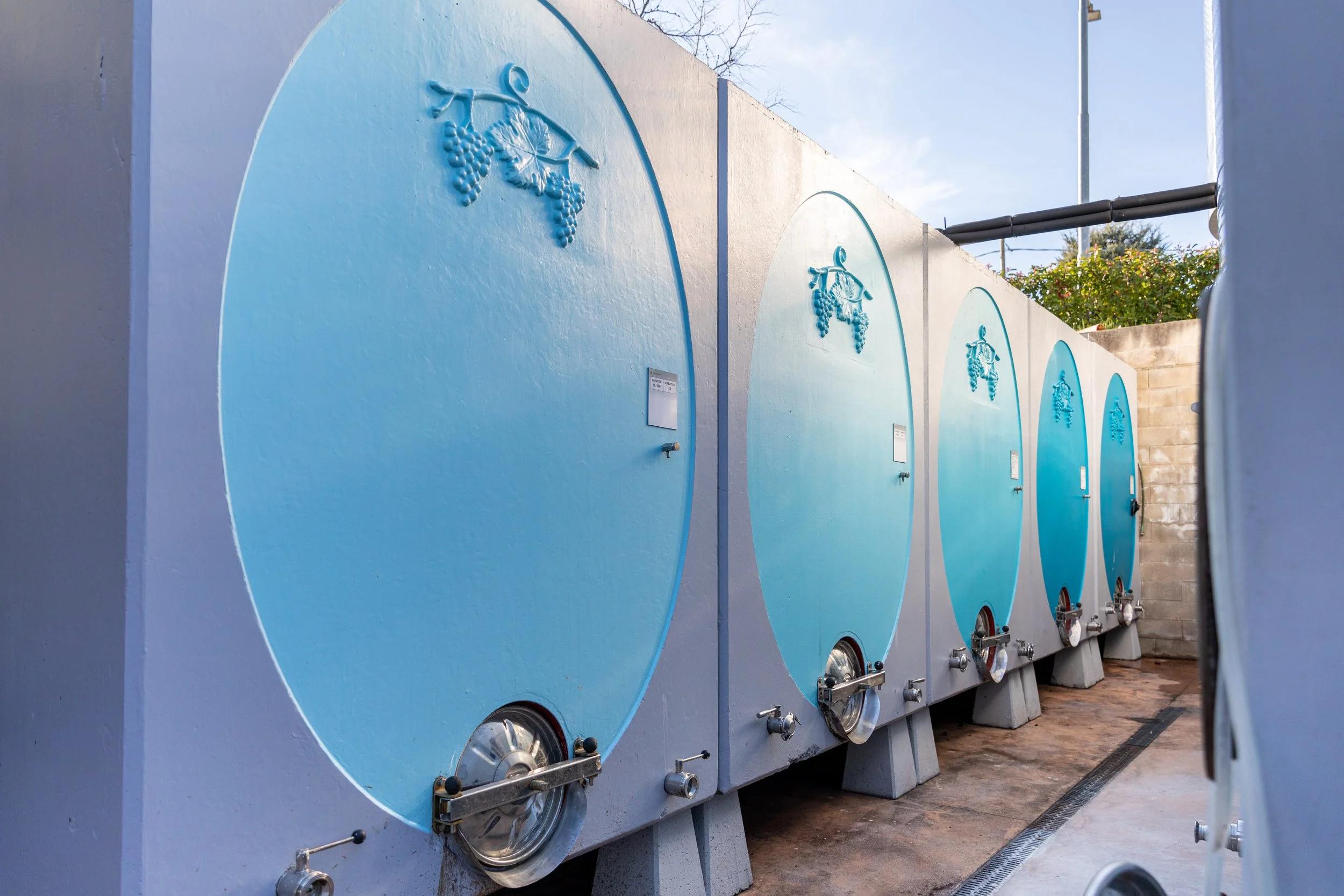
In the late 1940s, Umberto Ceci bought a small plot in the Battinebbia district of San Paolo di Jesi and planted it to Verdicchio. A few years later, he handed it to one of his fifteen children, Amato, and Amato's wife, Maria. They were stubborn, passionate winemakers who started making and selling their own wine. The old concrete tanks Amato left behind are still in the cellar.
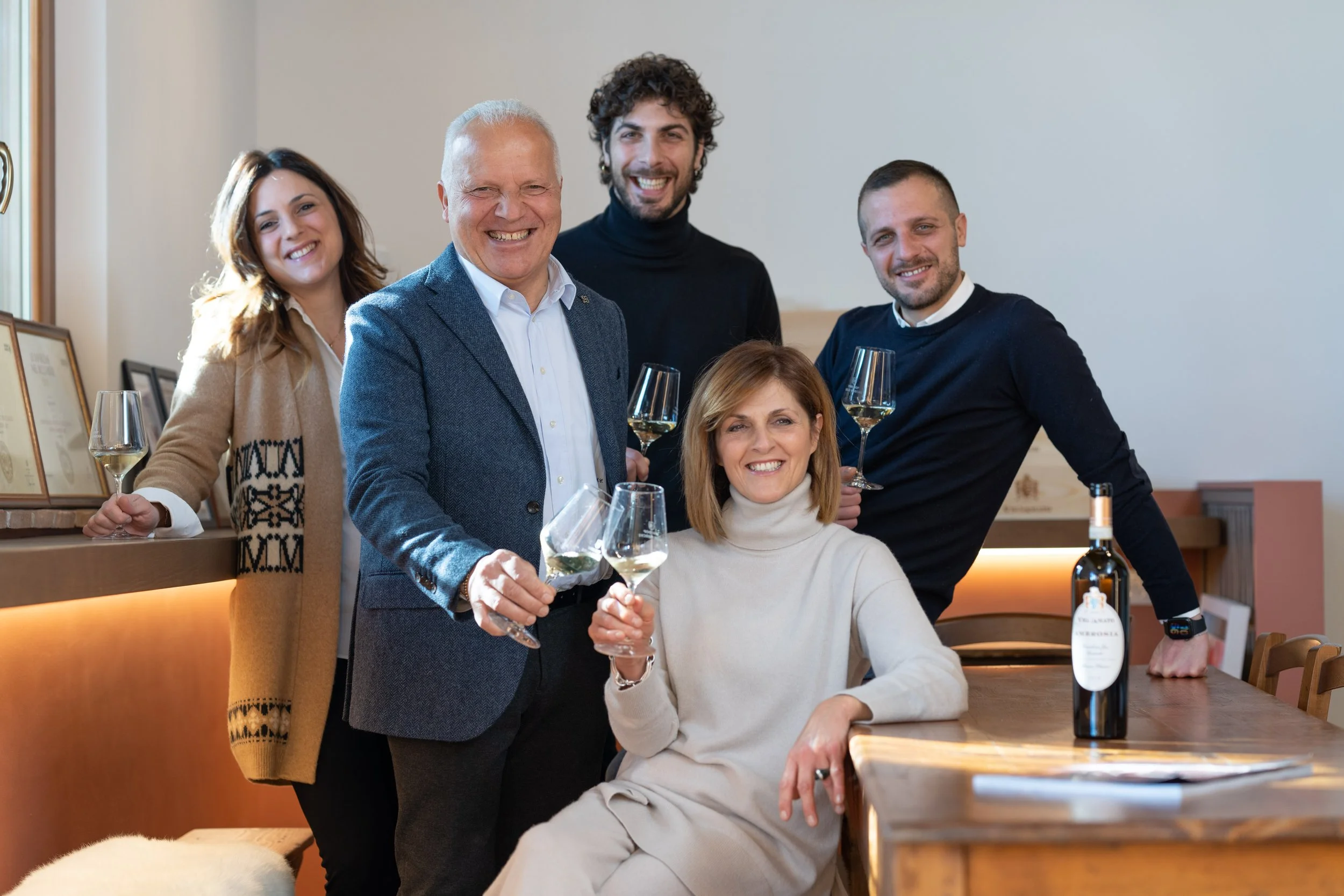
Fifty years on, Amato's son Maurizio and his wife Serenella launched a new project and named it with a dedication: Vignamato, "Amato's vineyard." Today it is a fourth-generation family business. Alessandra runs administration, Andrea handles production and export, and Francesco covers Italy.
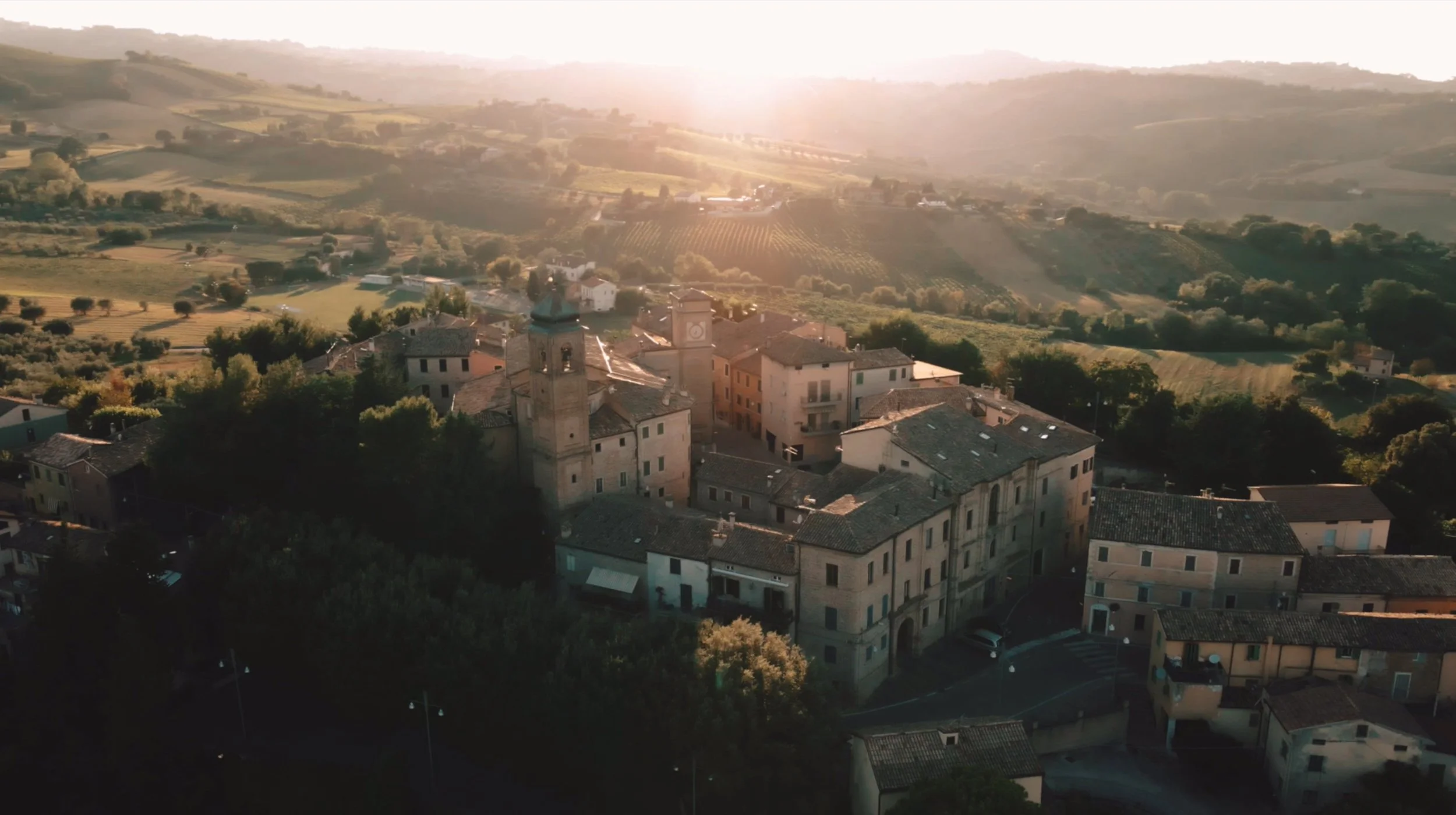
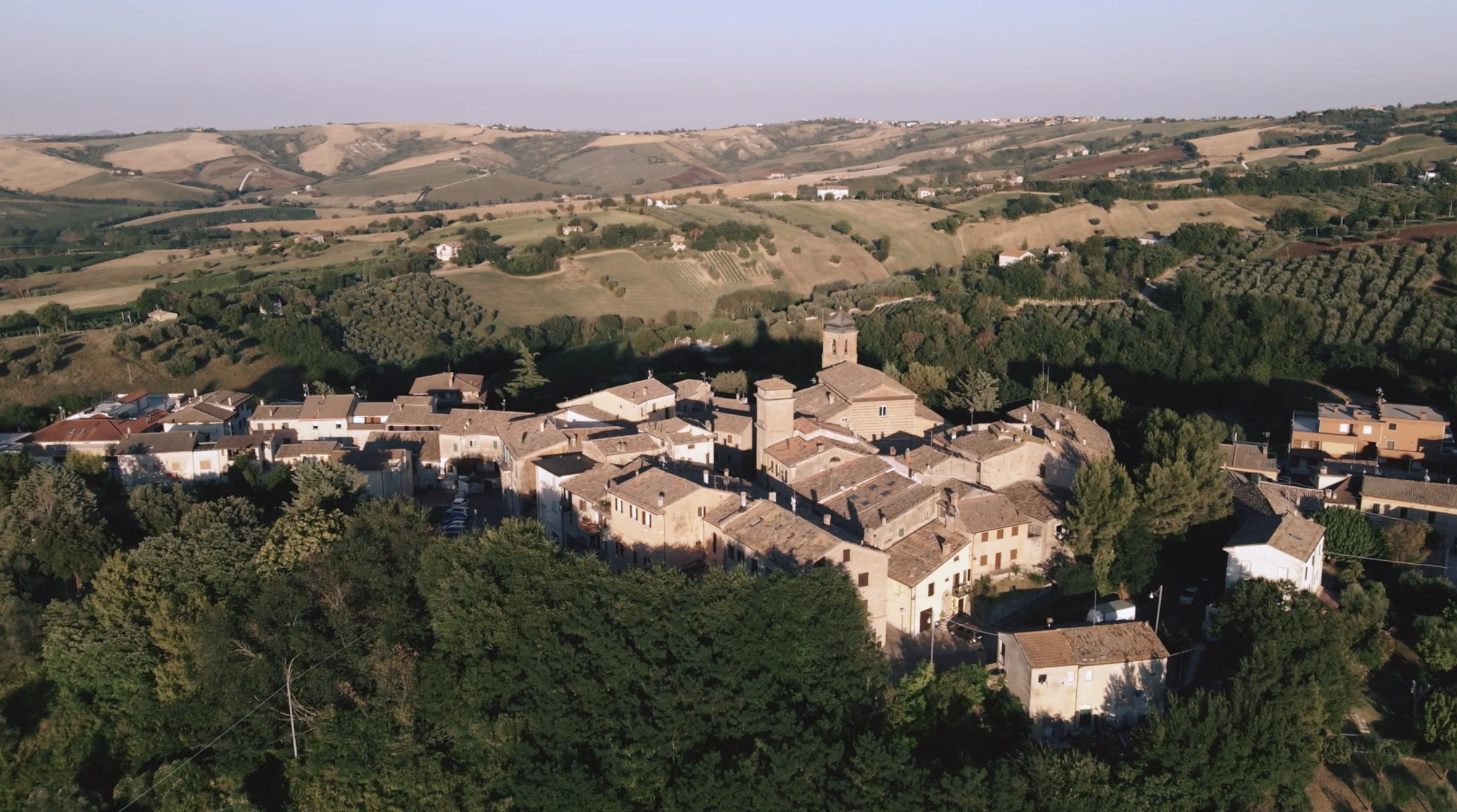
The land they work is odd even by Marche standards. San Paolo di Jesi is one of the smallest municipalities in the province of Ancona, built on clay and sand laid down in the Pliocene, some five million years ago. Centuries of landslides gave the Valle delle Lame its name. There are also two "vulcanelli," miniature mud volcanoes that push gas-driven mud up into little cones. One of them sits in Contrada Battinebbia, which is the winery's own address. Nearby, a mineral-rich spring called Acquasalata was revered as "holy water" and, in wartime, boiled down for salt.
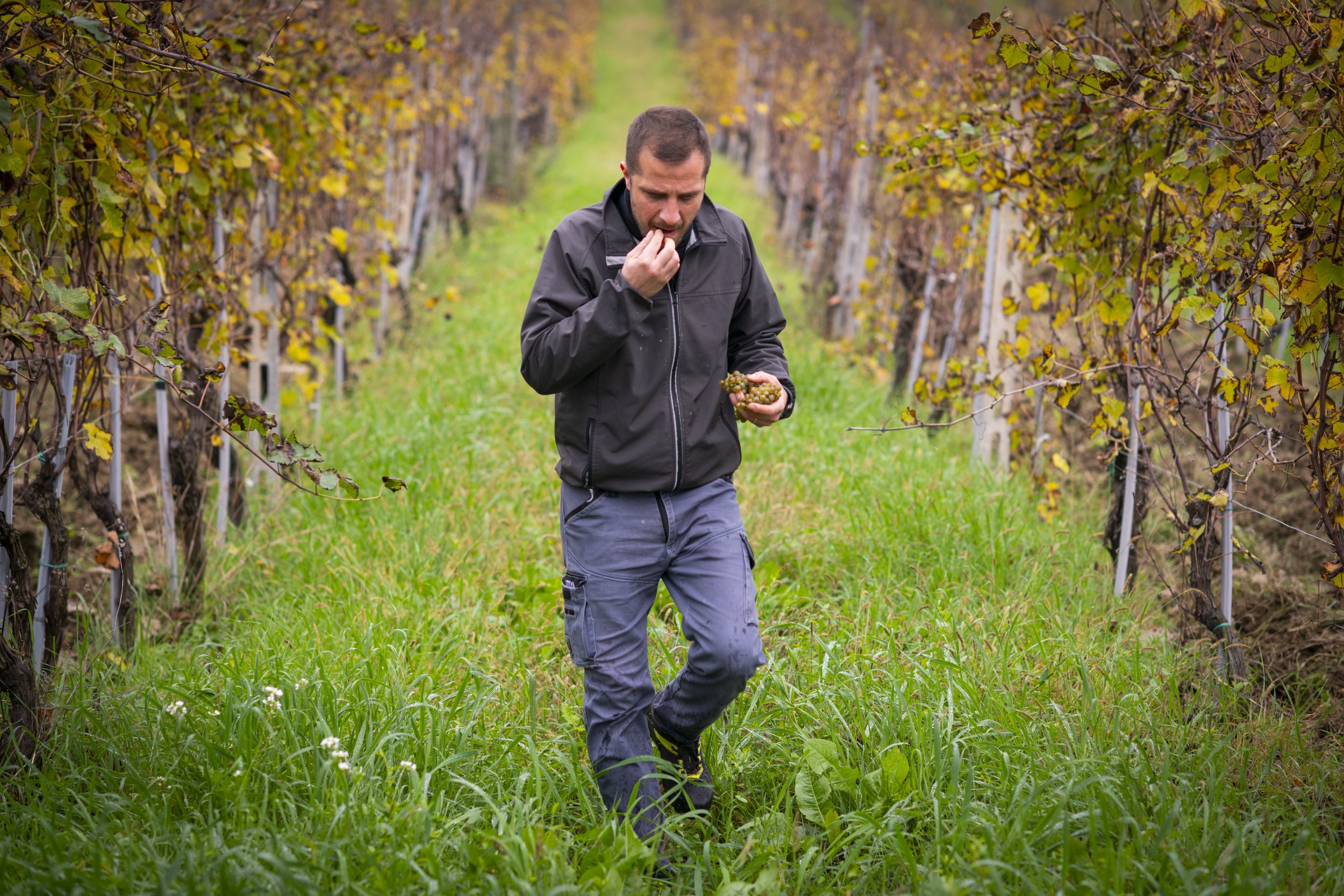
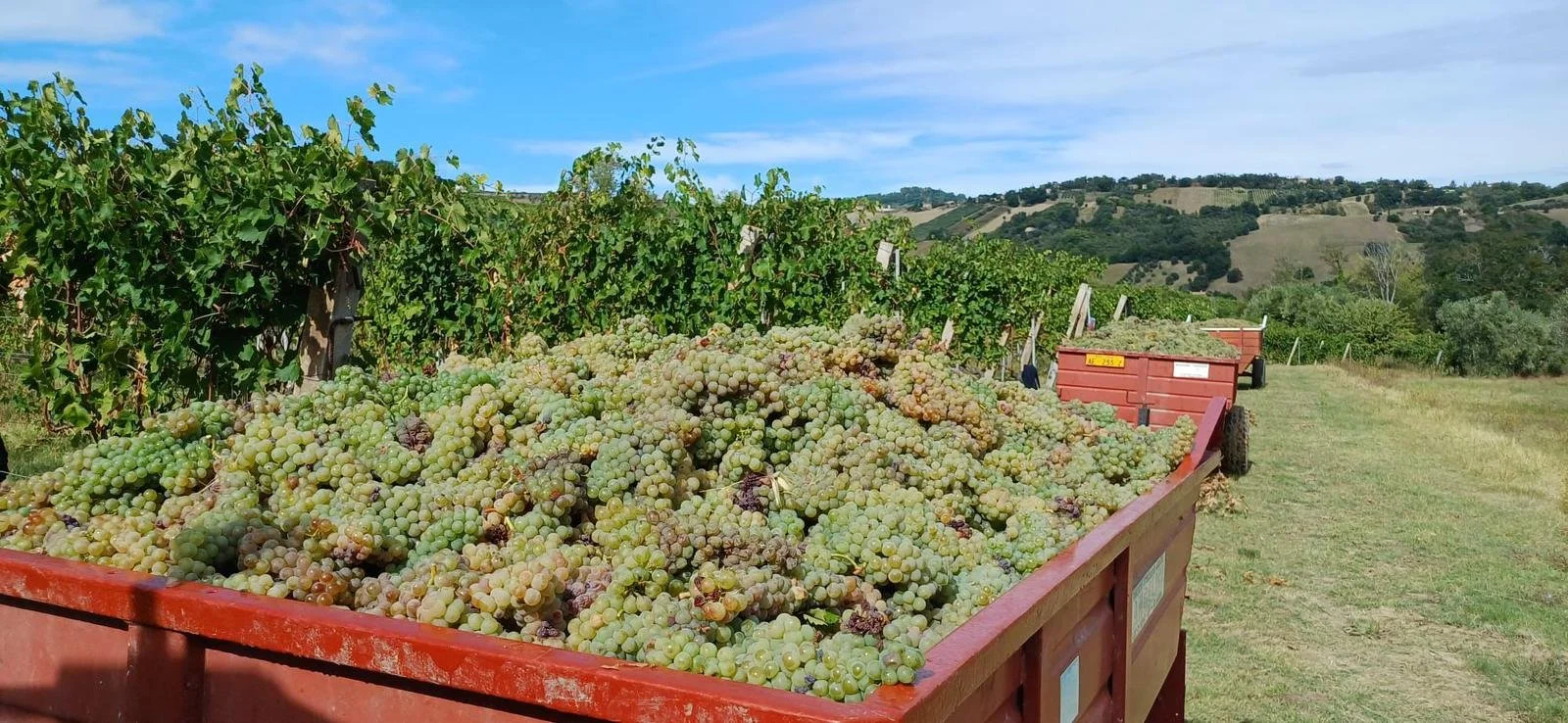
Vignamato farms about 26 hectares across eight distinct plots: 17 around San Paolo di Jesi, the rest in Maiolati Spontini and Cupramontana. Altitudes run from roughly 230 to 450 meters. Soils shift from sandstone and clay to limestone, marl and chalk. The vines average 25 to 35 years old, and the slopes catch sea breezes that rise through the valleys and give big day-to-night temperature swings. Verdicchio leads, alongside Bruni 54 (a Verdicchio x Sauvignon Blanc cross), Montepulciano, Sangiovese and Lacrima di Morro d'Alba. The estate also keeps a hectare of centuries-old olive trees and sour cherries for Vì de Visciola, a traditional cherry-and-wine drink.
The approach is deliberately low-intervention: low yields, hand harvest only, and no chemical products, even in hard vintages. Each vineyard is vinified separately in concrete and stainless steel so every plot keeps its own voice. Reds rest in French oak, and the Verdicchio gets time in bottle, where, as the family puts it, the wine finds its best ally.
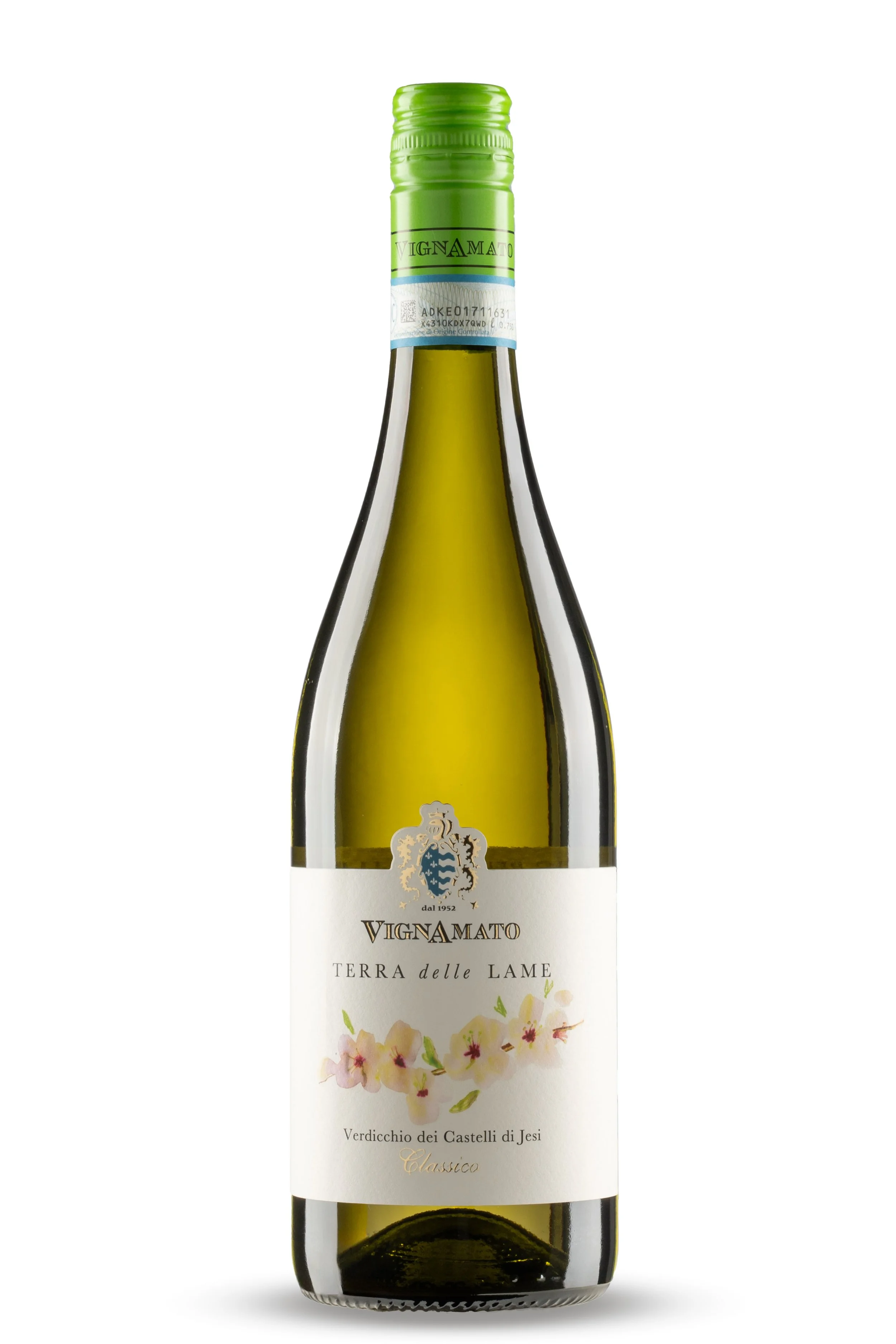
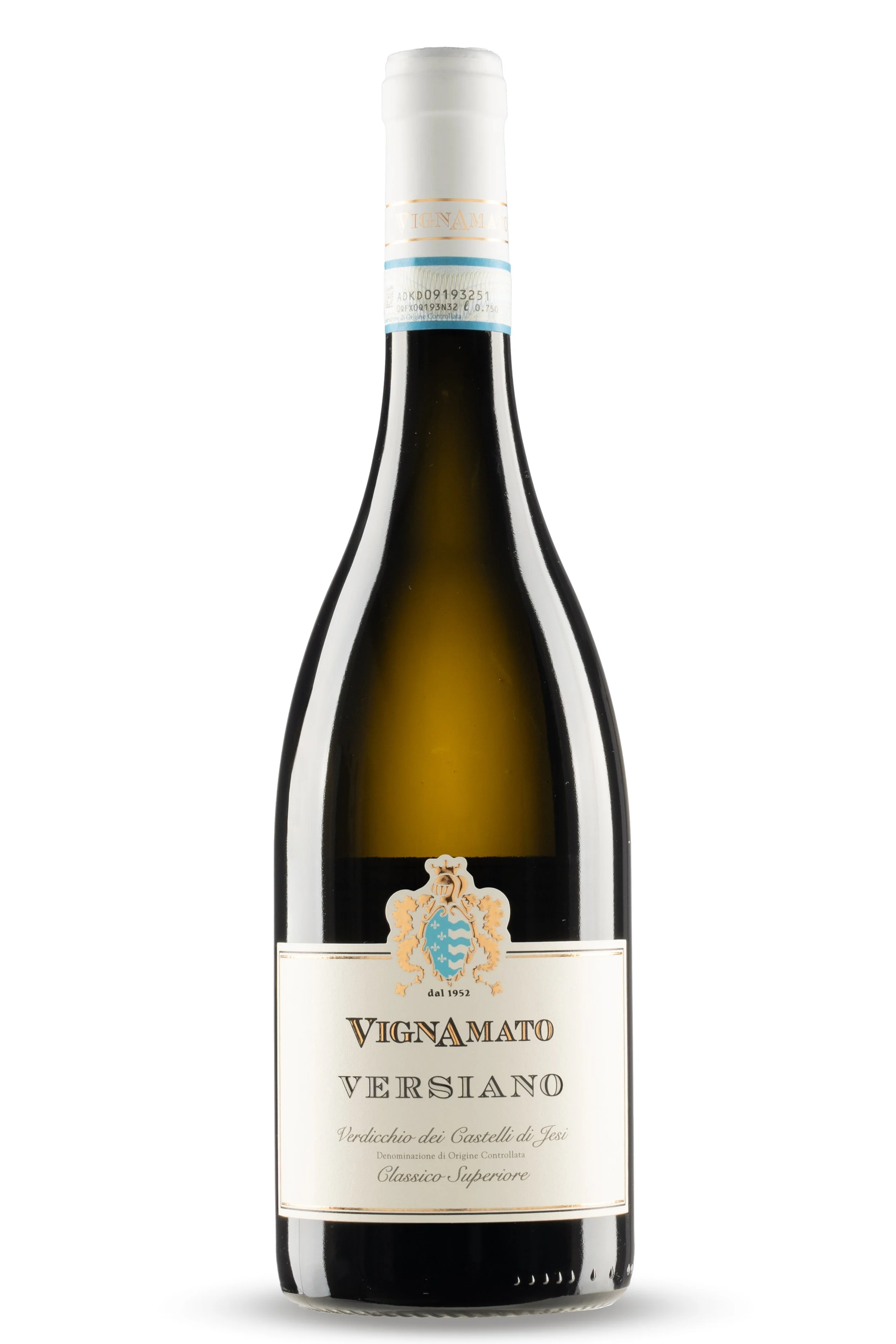
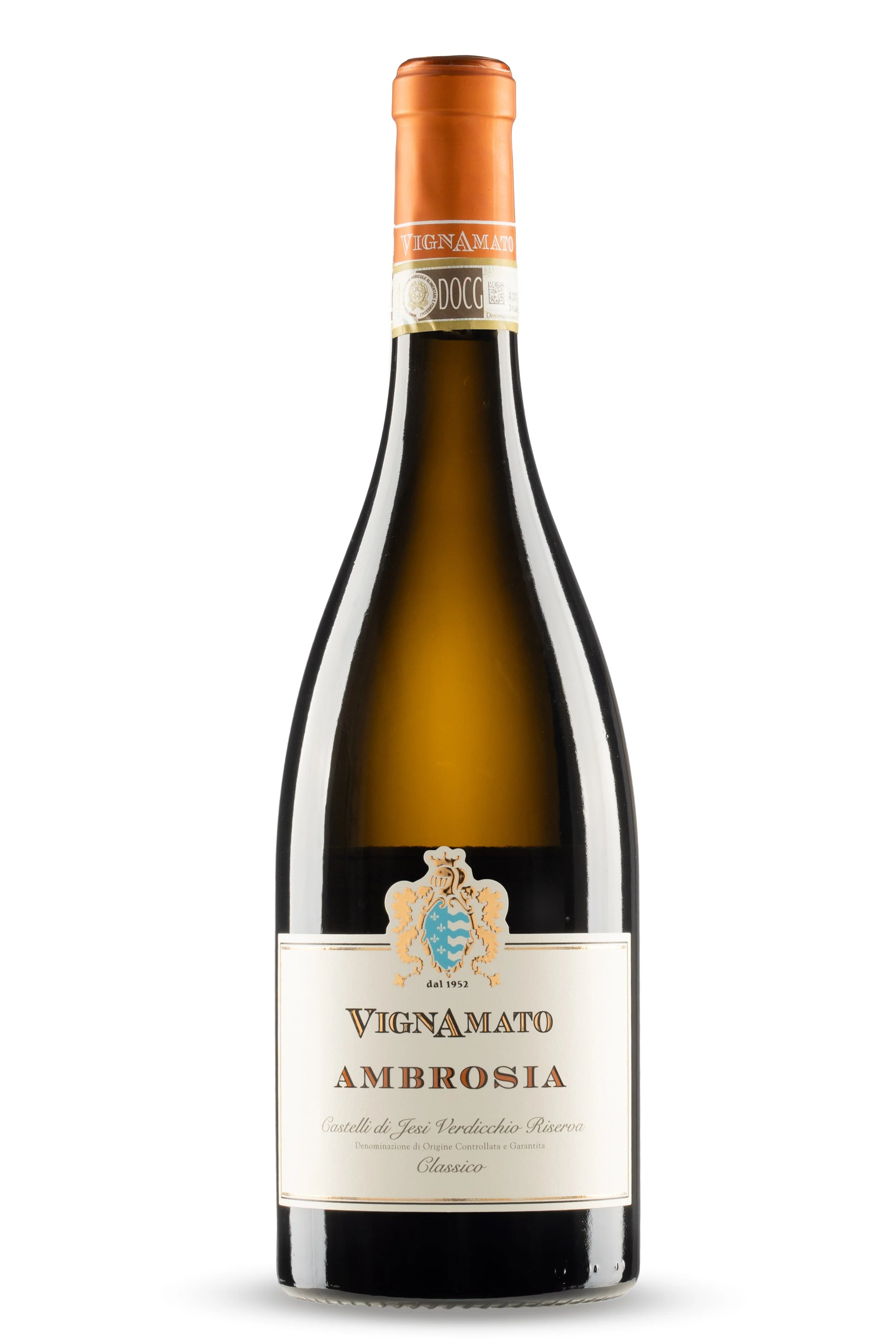
Products: