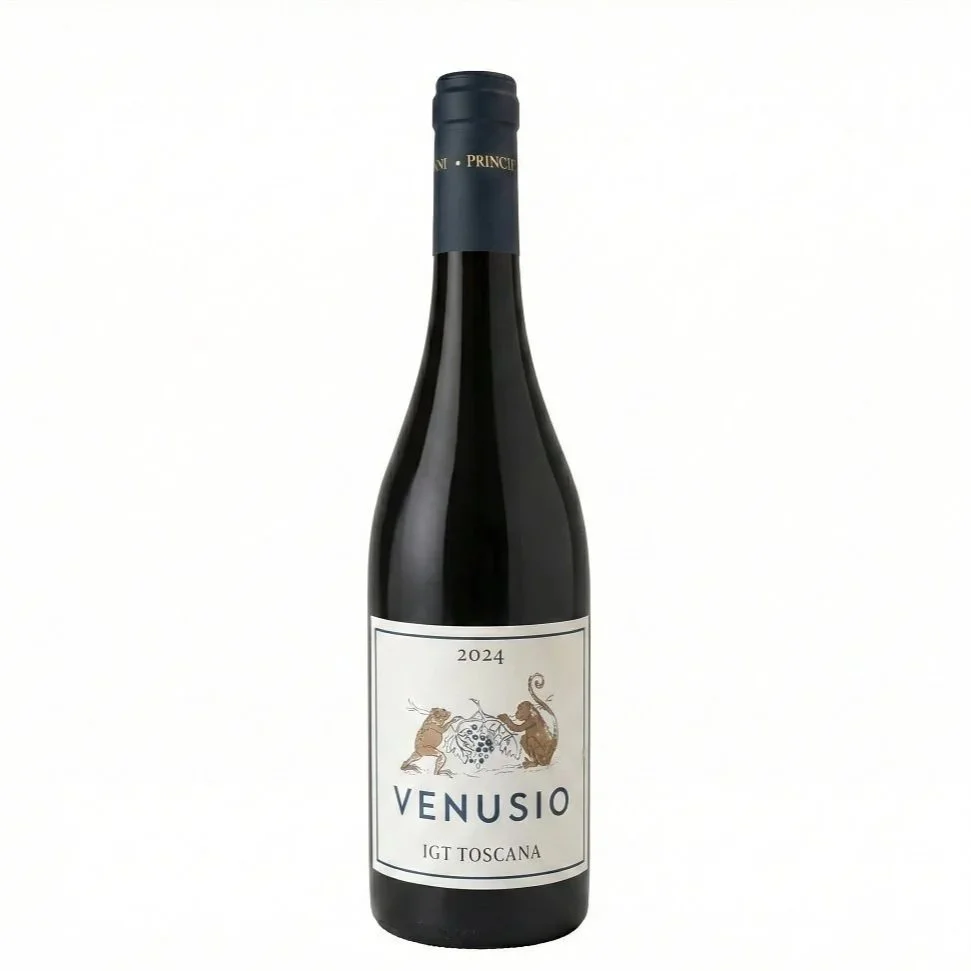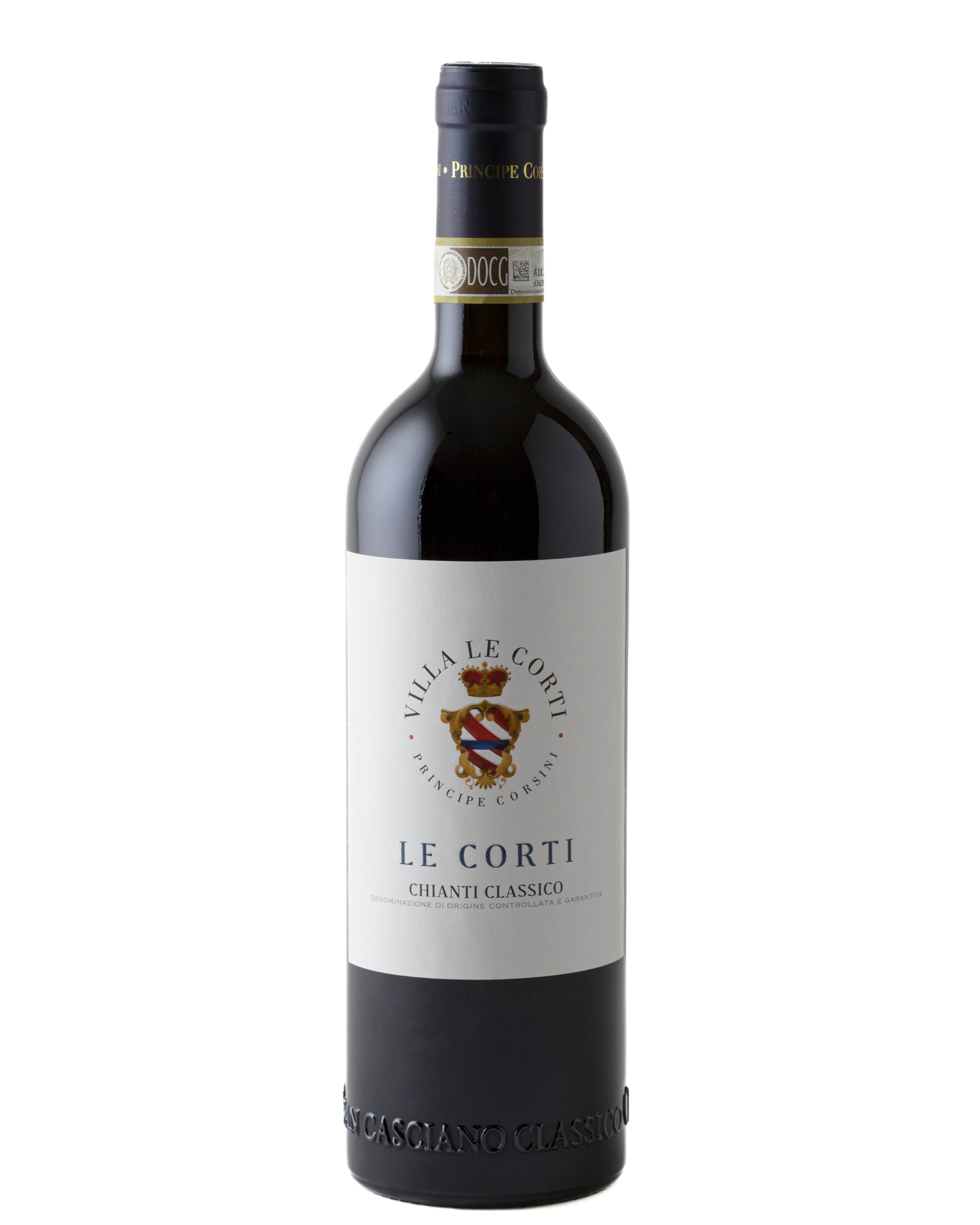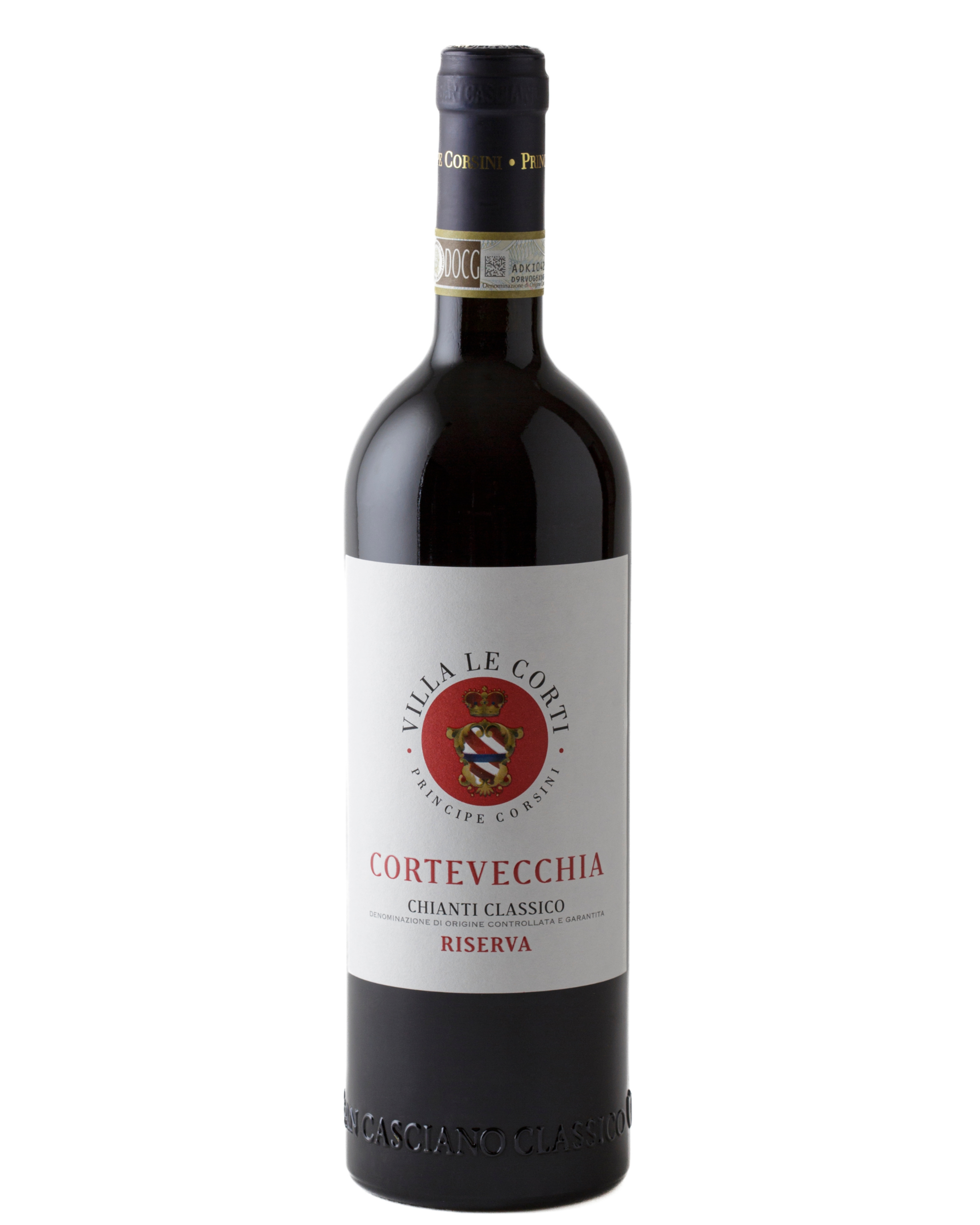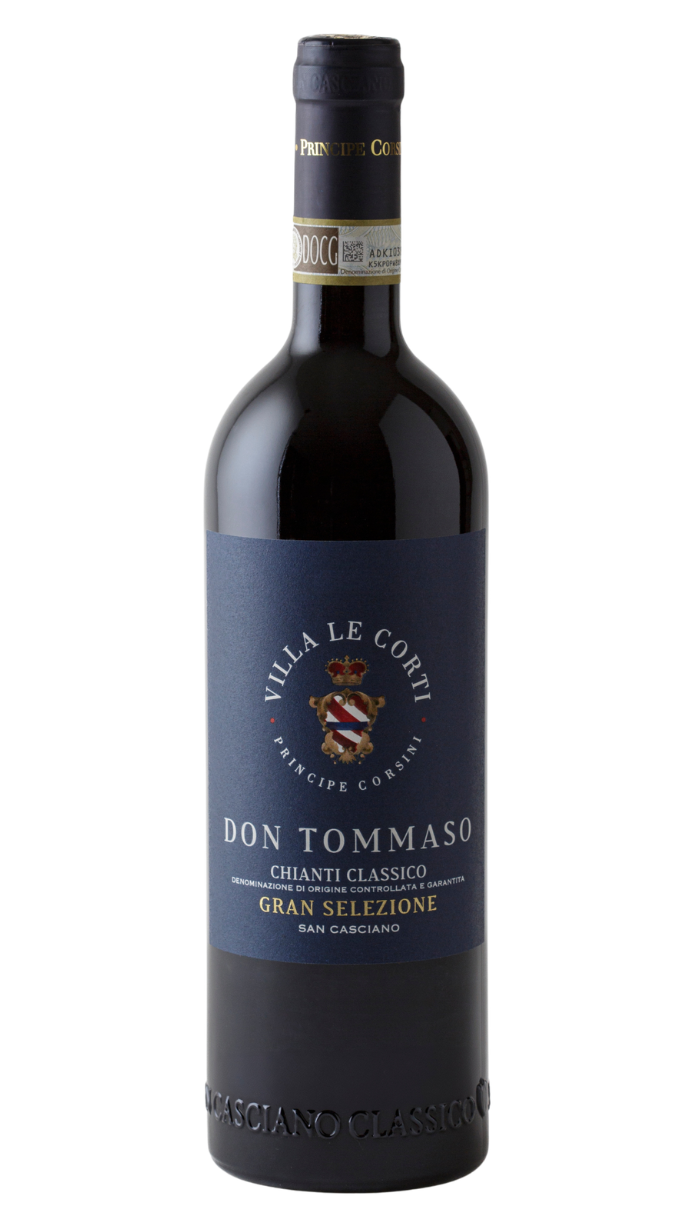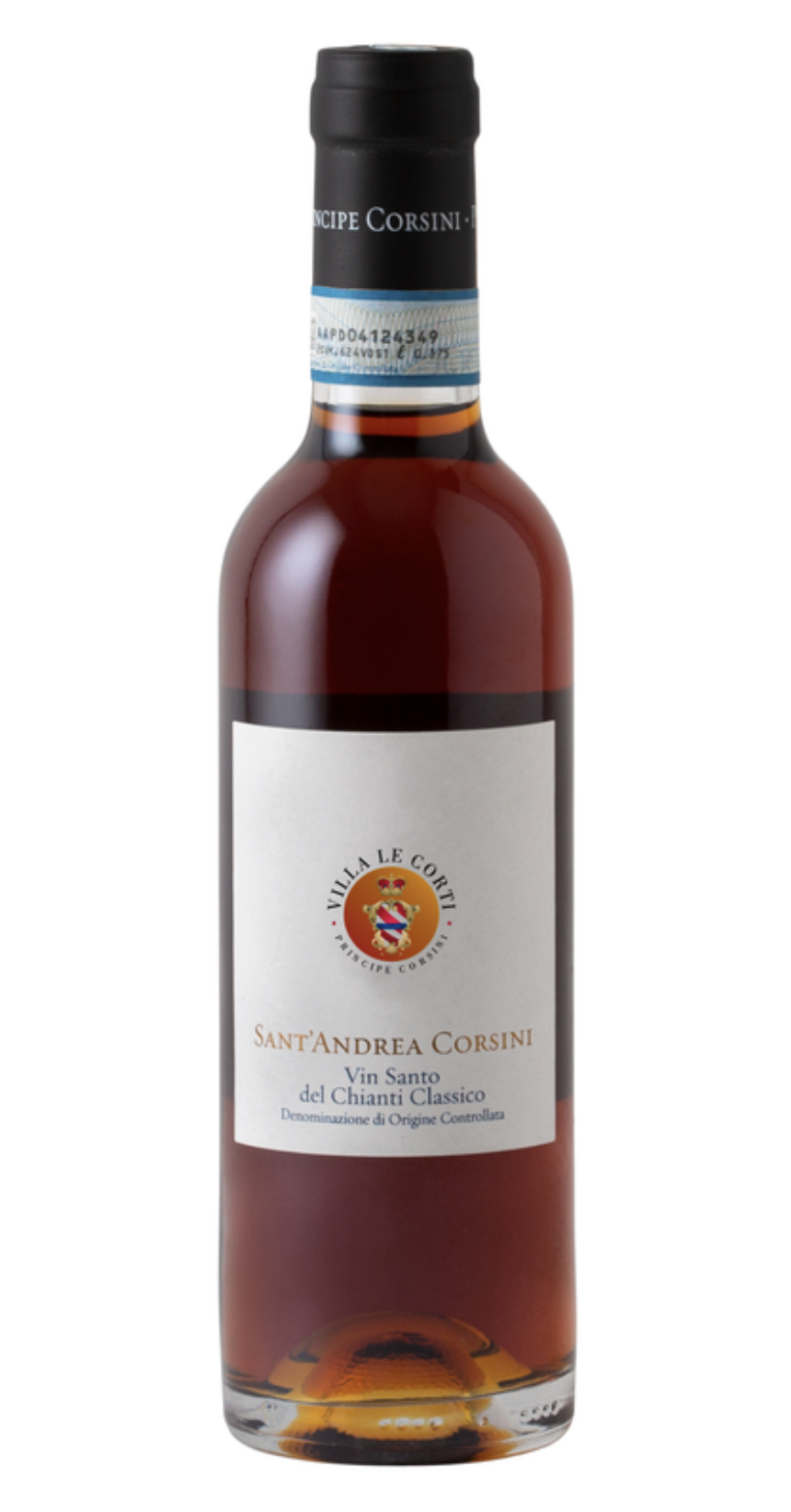

Imagine a family arriving in Florence in the late 1100s and never really leaving. The Corsini name becomes woven into the city's fabric—commerce, finance, politics, the church. Two of their own become legendary: Pope Clement XII and Saint Andrea Corsini, bishop of Fiesole. That's nine centuries of history, but the real story is what they chose to do with it.
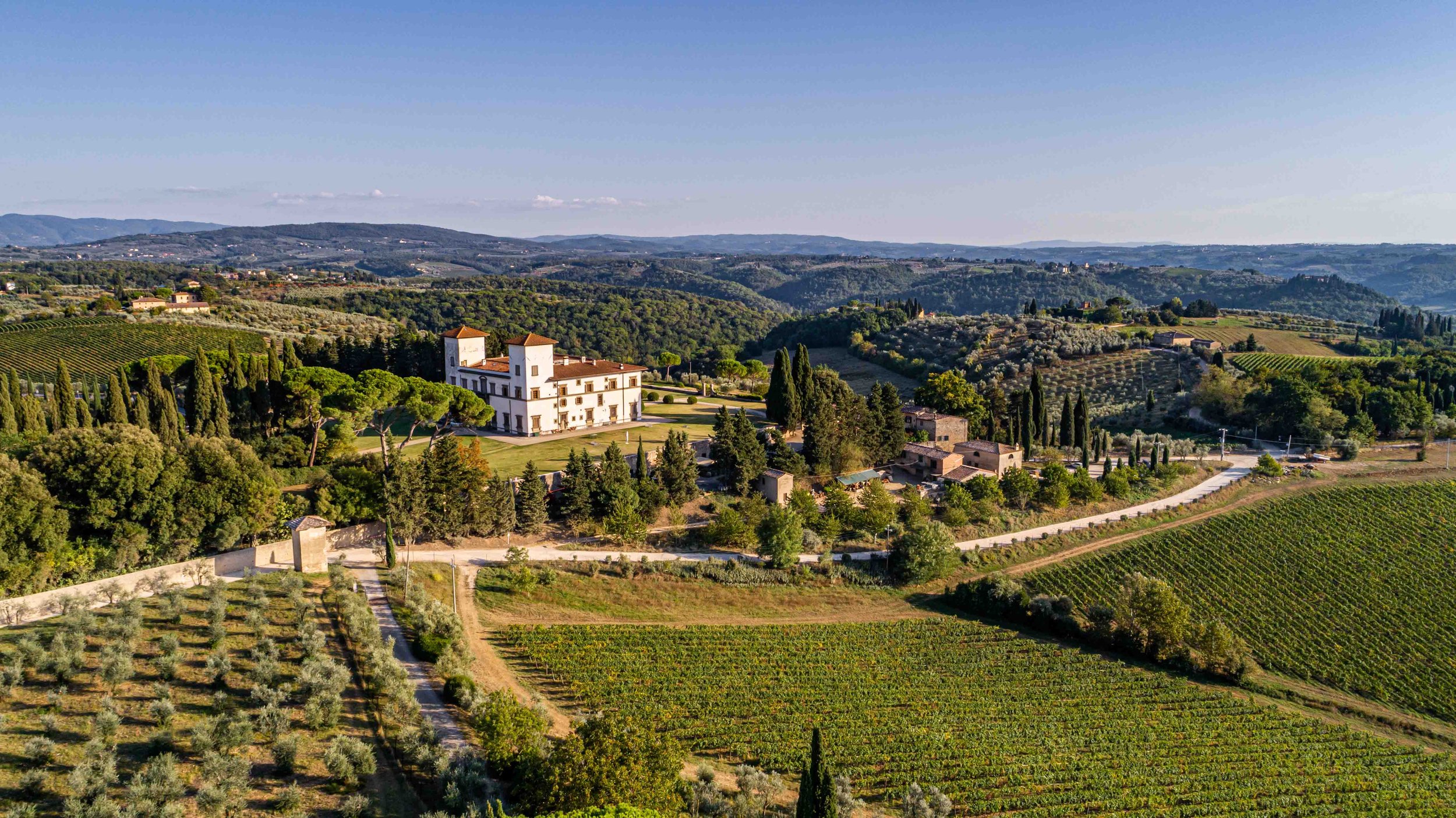
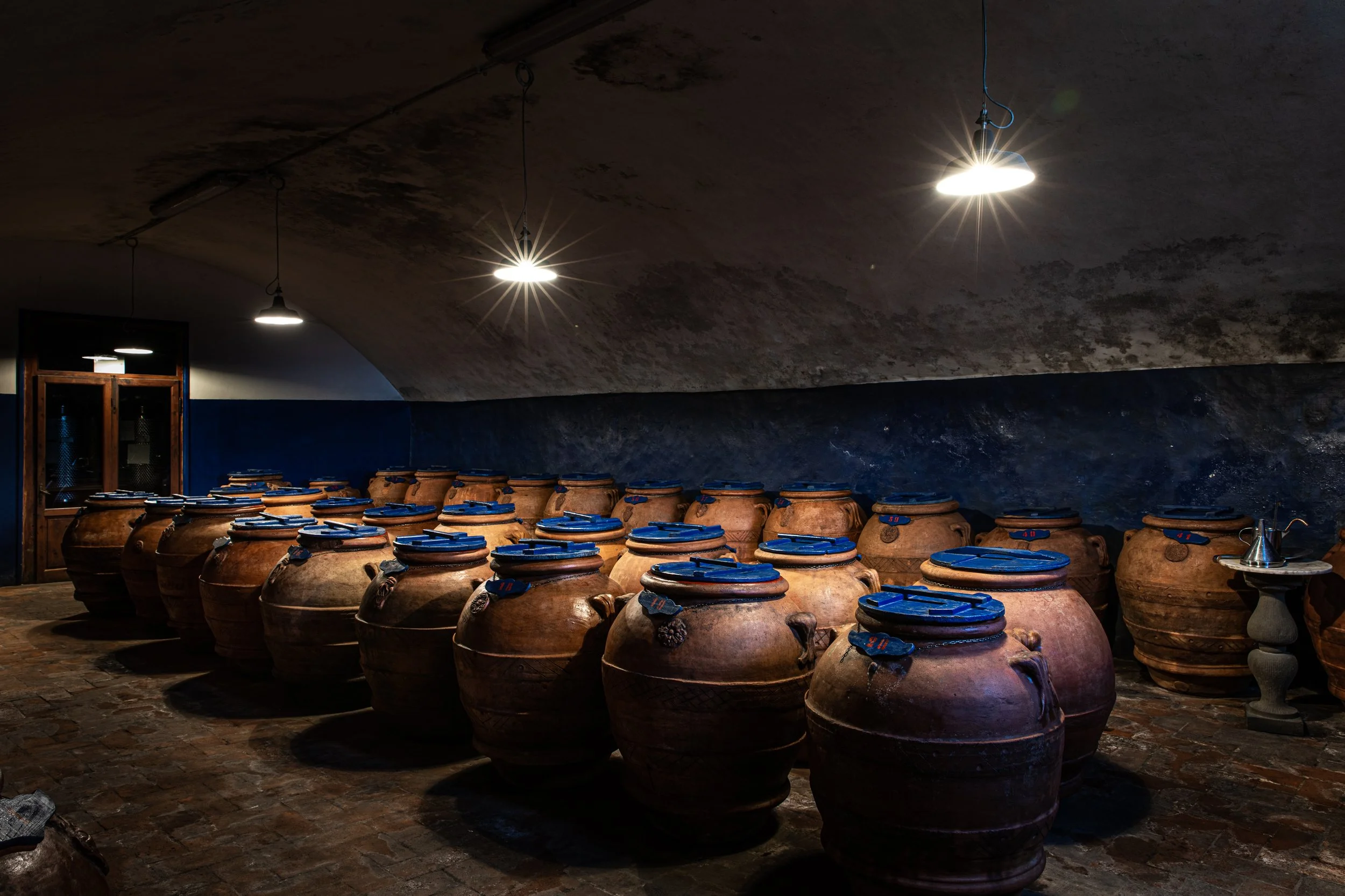
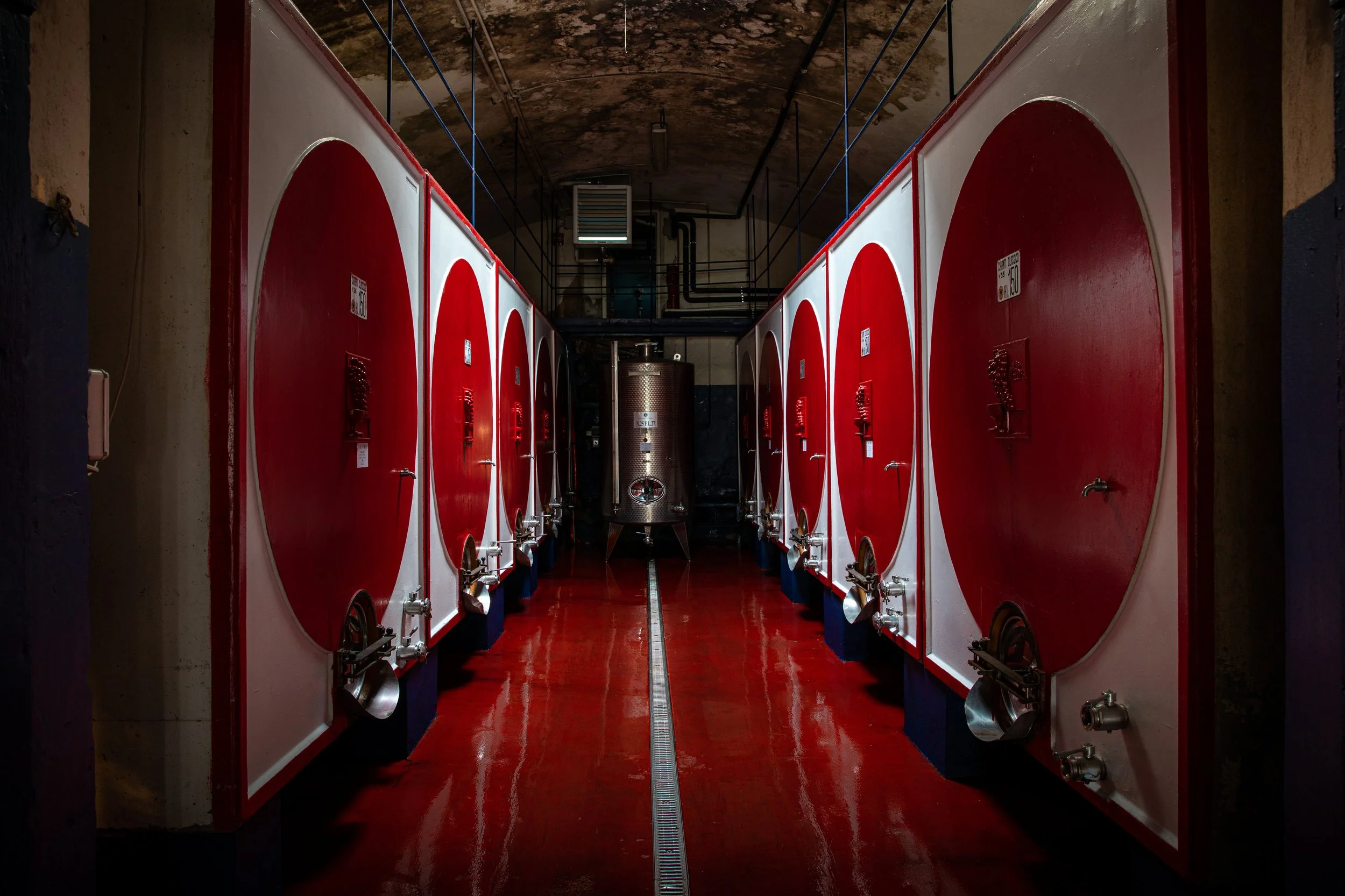
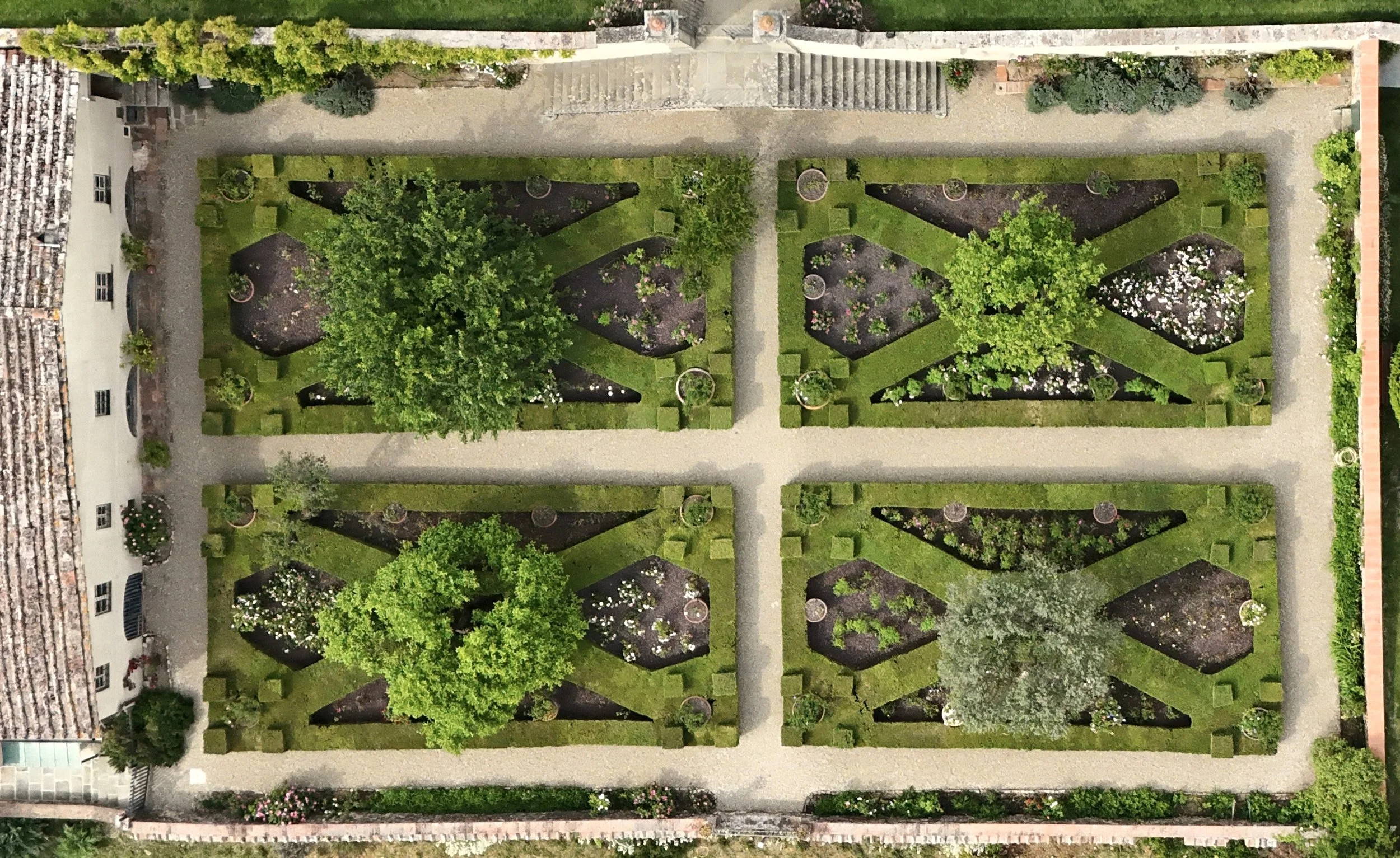
In the early 1600s, Bartolomeo Corsini commissioned Villa Le Corti. Not just a house—a working farm with cellars carved three layers deep beneath the villa and surrounding land. It's the kind of decision that echoes through time. A real moment in wine history.
Fast forward to 1992. Duccio Corsini, son of Philip IX Prince of Sismano, takes the helm. A year later, leading the harvest under the new Principe Corsini brand, he begins to shape his own vision.
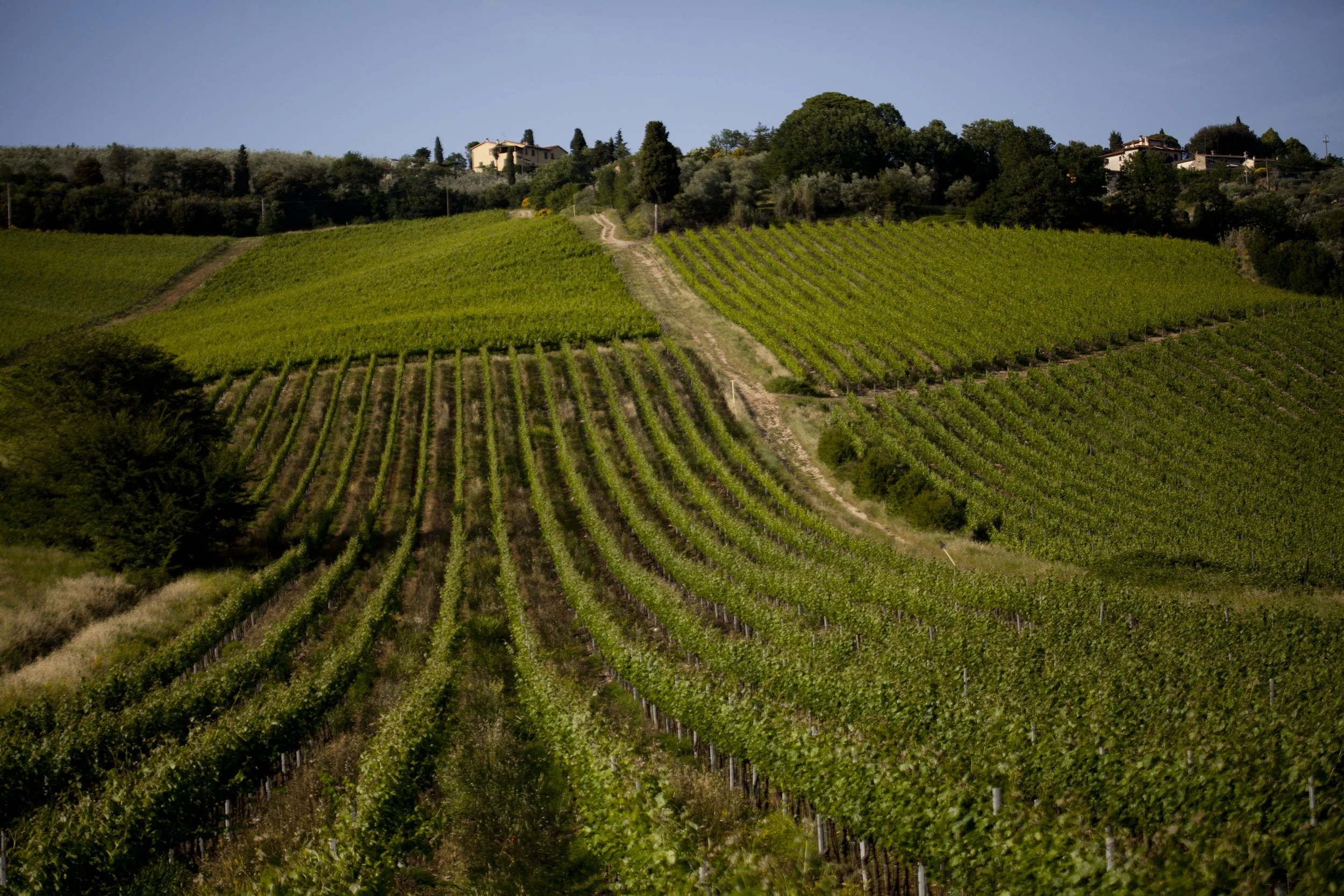
Today, the family manages 230 hectares—fifty dedicated to vineyards, sixty-three to olive groves. But here's what matters: the rest of the land was deliberately left wild. Forests preserved. Biodiversity protected. It's a philosophy, not an accident.
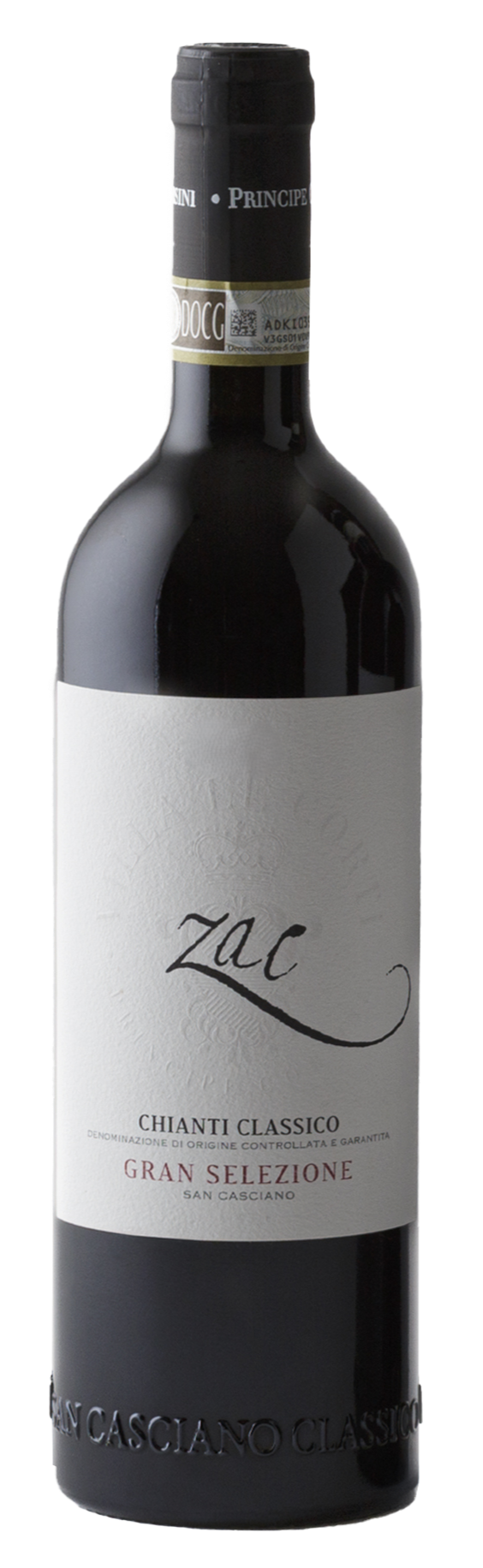
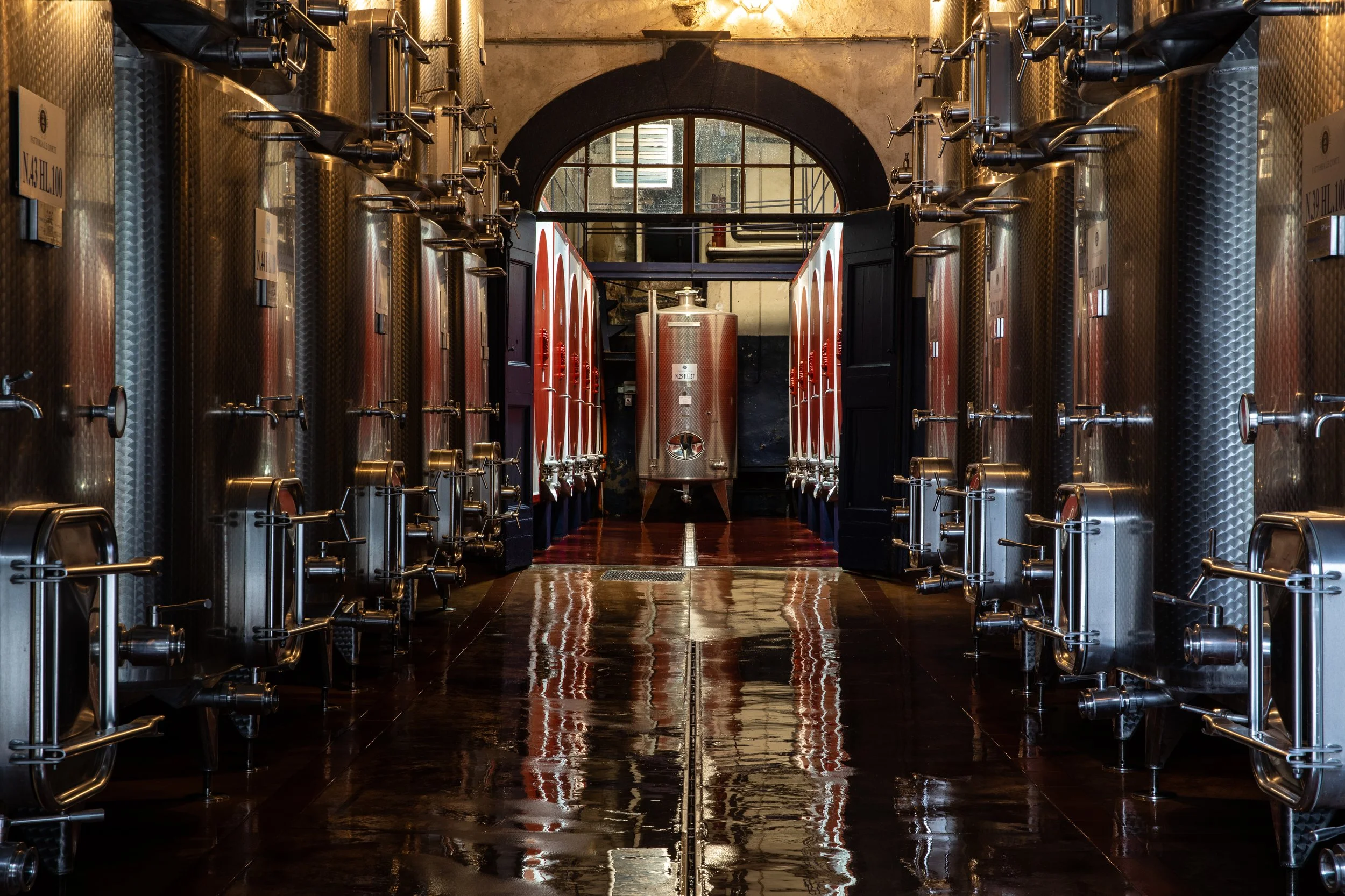
In 2013, they made it official. All vineyards transitioned to organic cultivation. Today they produce organic and vegan wines that reflect Chianti Classico terroir—not despite restraint, but because of it. The family continues to cultivate and manage the winery with the same ancestral passion that brought them to Florence centuries ago. Only now, they're doing it more thoughtfully.
Products: