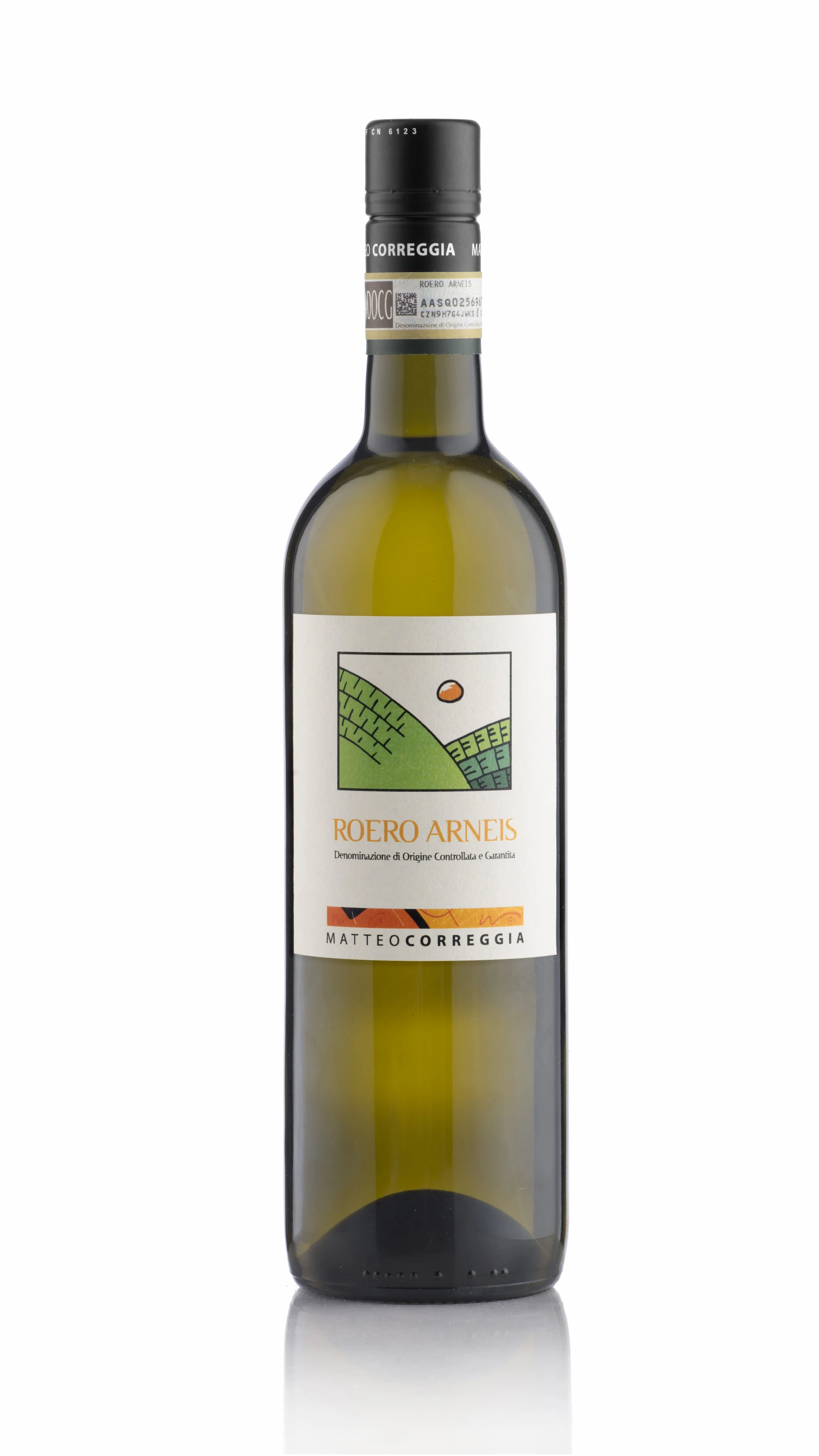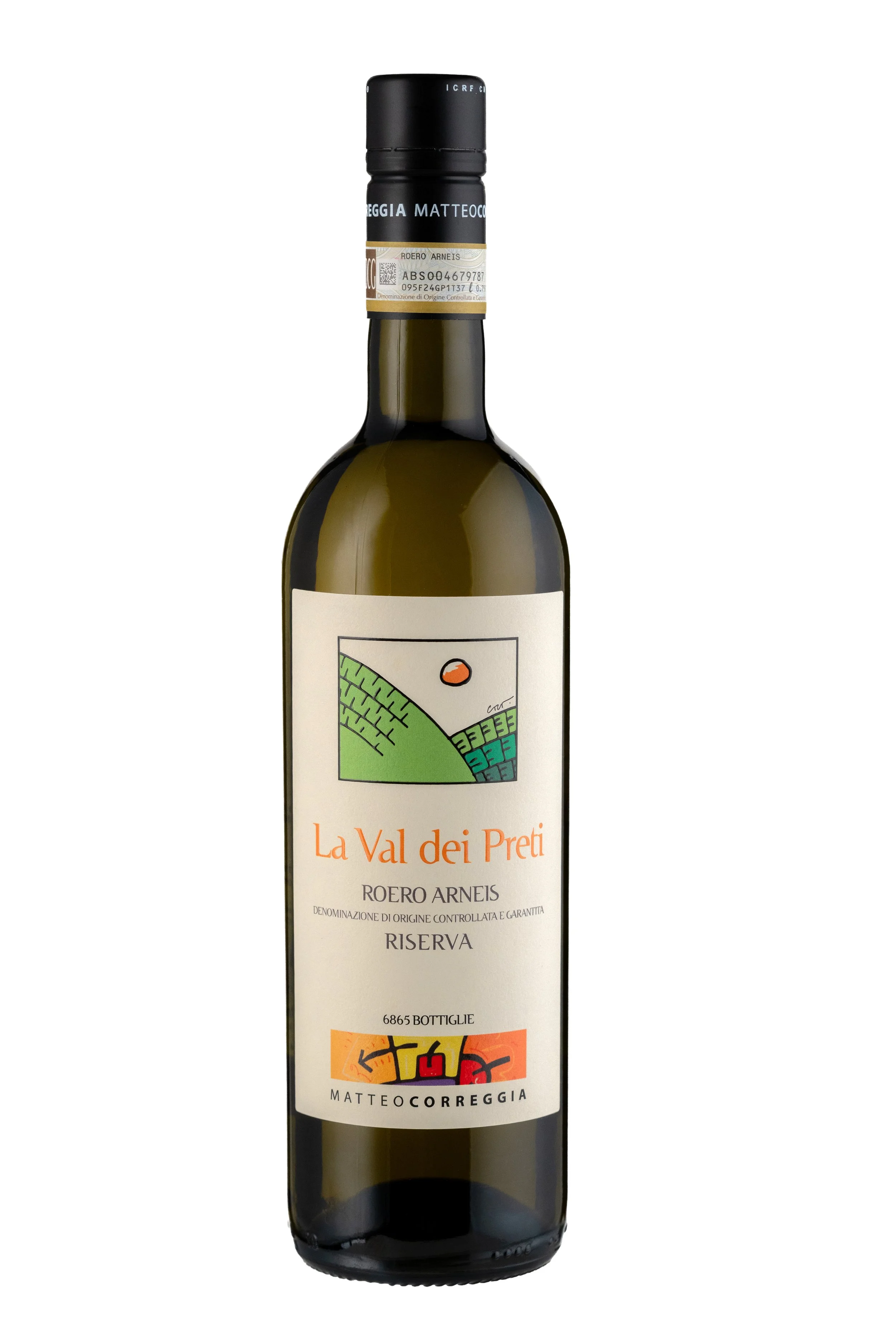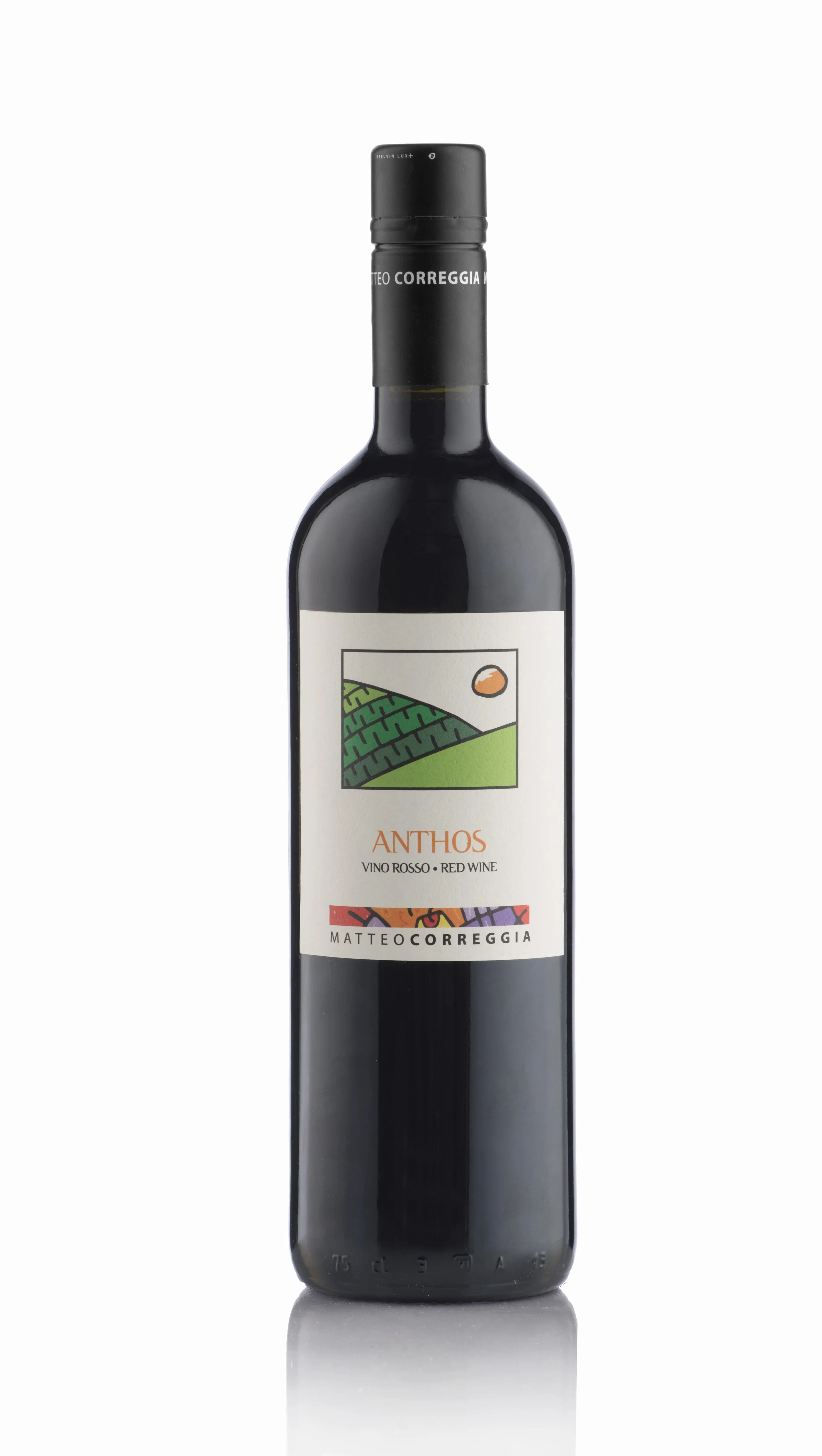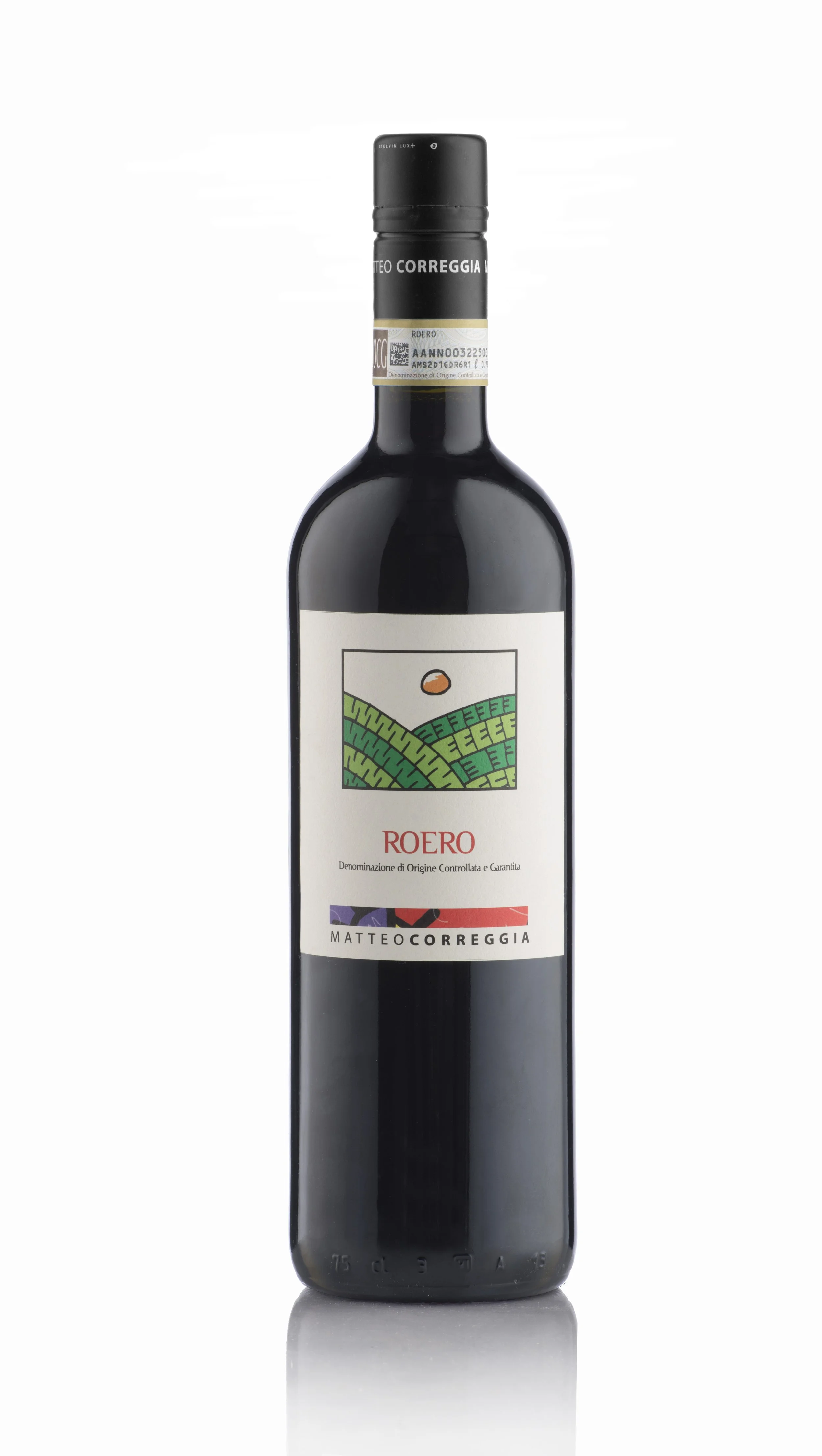
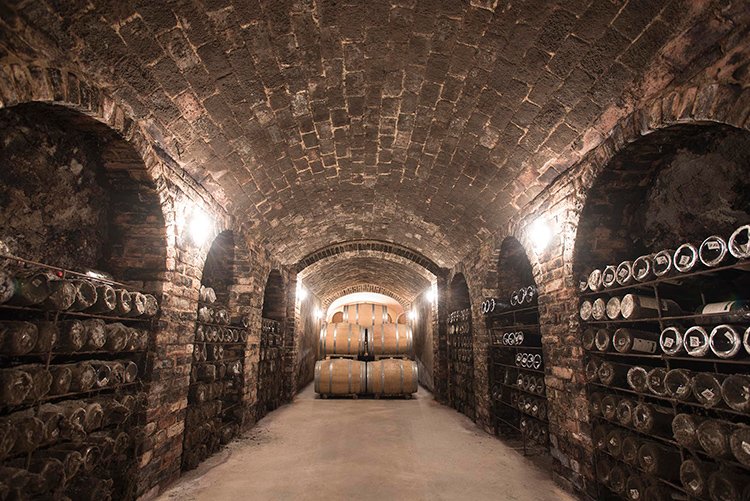
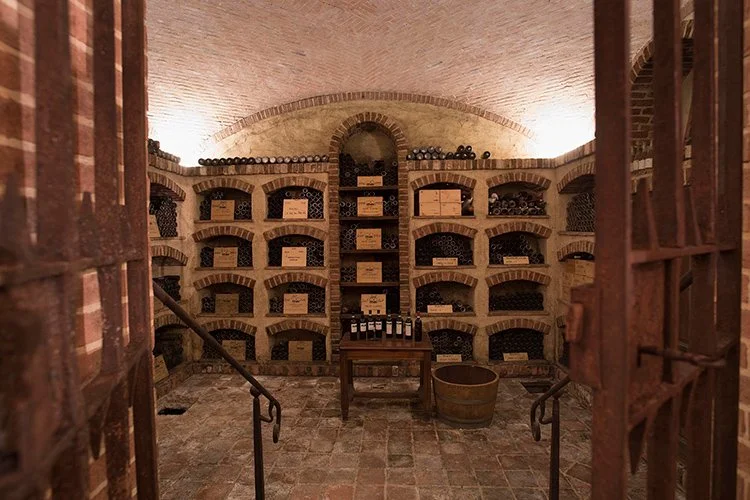
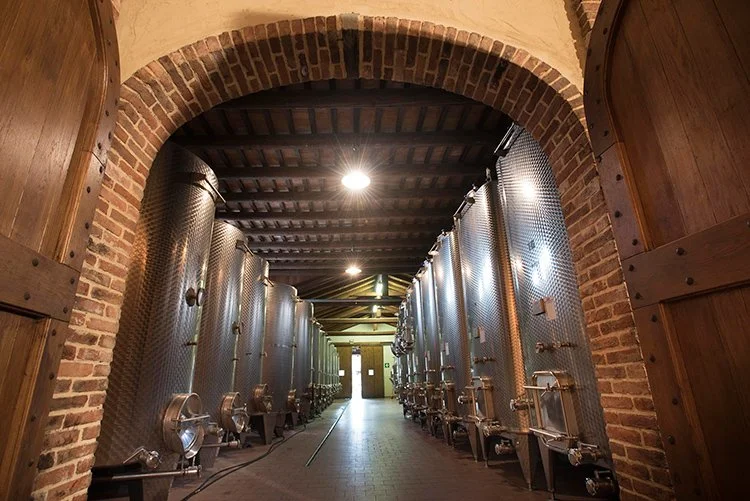
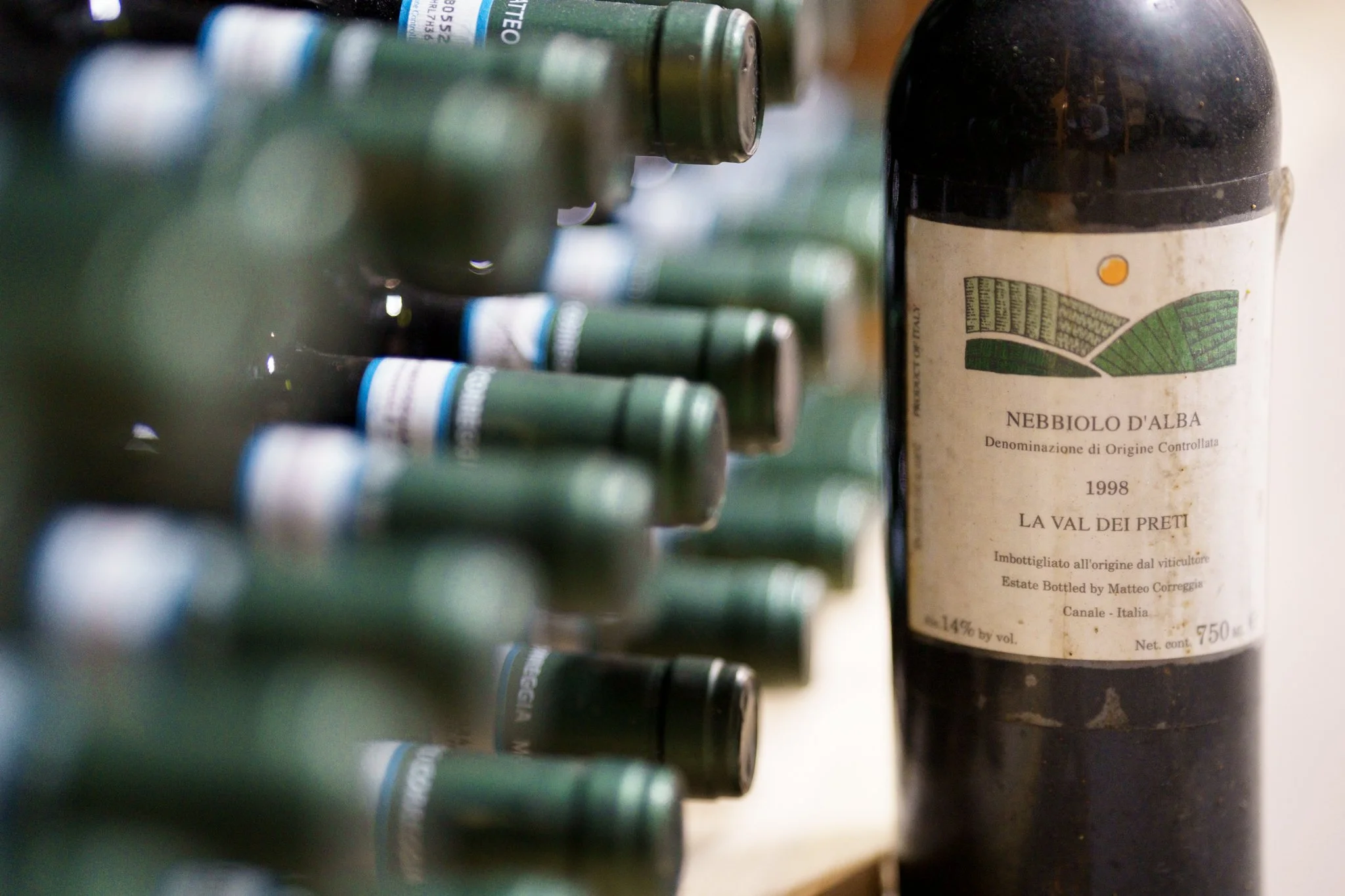
In 1985, when winemaking in Roero was still largely small-scale and family-run, Matteo Correggia set out to prove the region could do more: make quality wine that could hold its own internationally. He was one of the first here to farm and vinify with that ambition, and stubborn enough to pull it off — his Ròche d'Ampsèj, a Nebbiolo named for the plot it comes from, became the wine that put Roero on the map abroad.
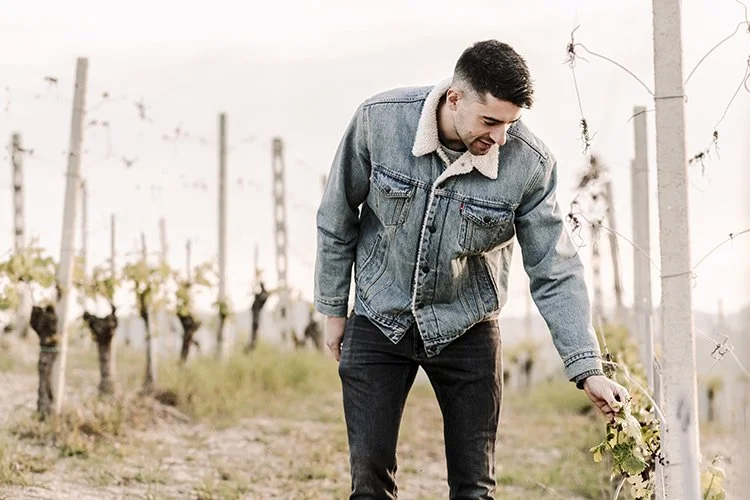
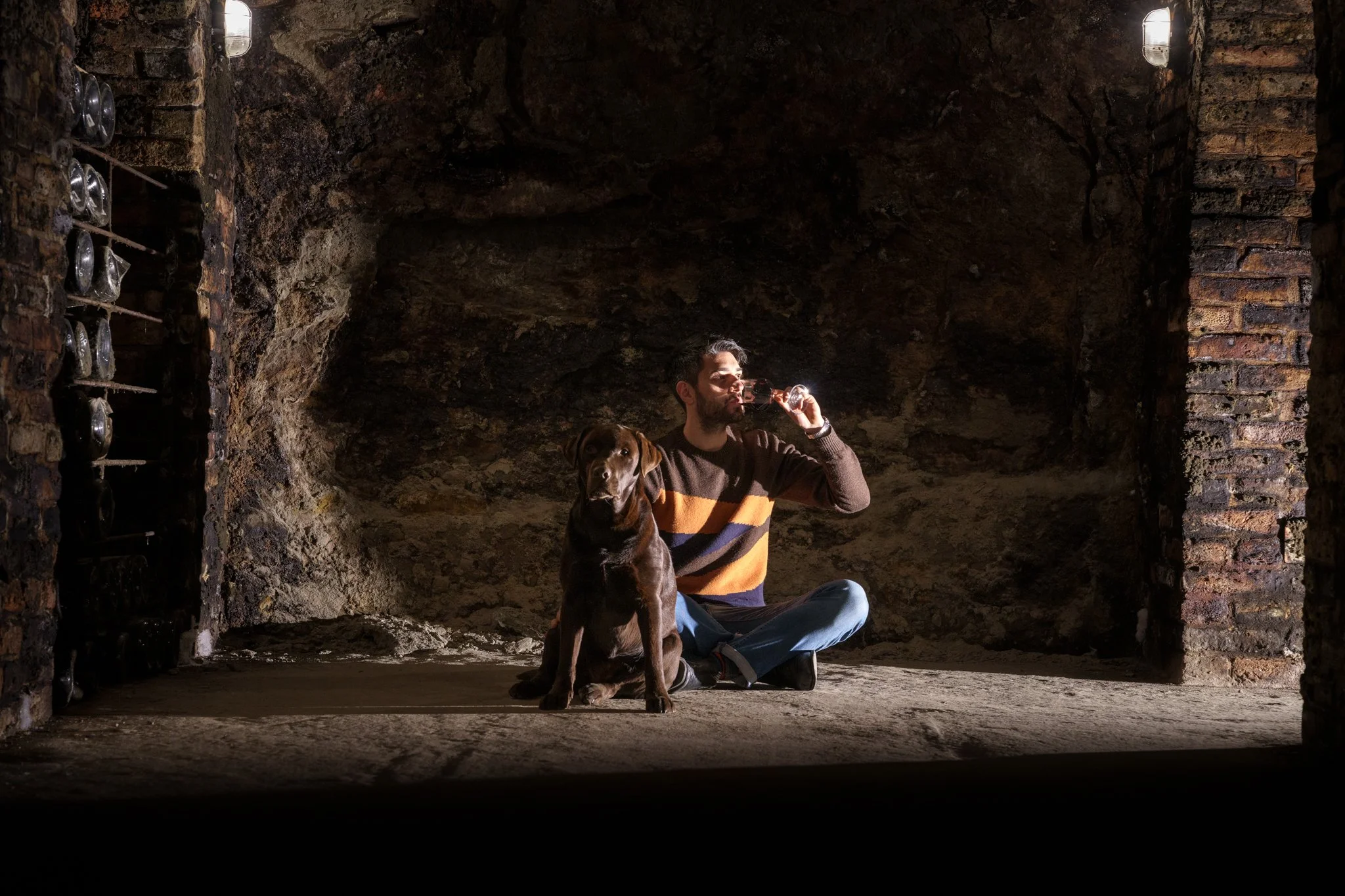
After Matteo's death, his wife Ornella ran the estate until their son Giovanni was ready to take it on. Since 2012, Giovanni and Luca Rostagno — the winemaker who worked the cellar alongside Matteo from the start — have run things together, bringing in a young team and new techniques without drifting from how Matteo built these wines.
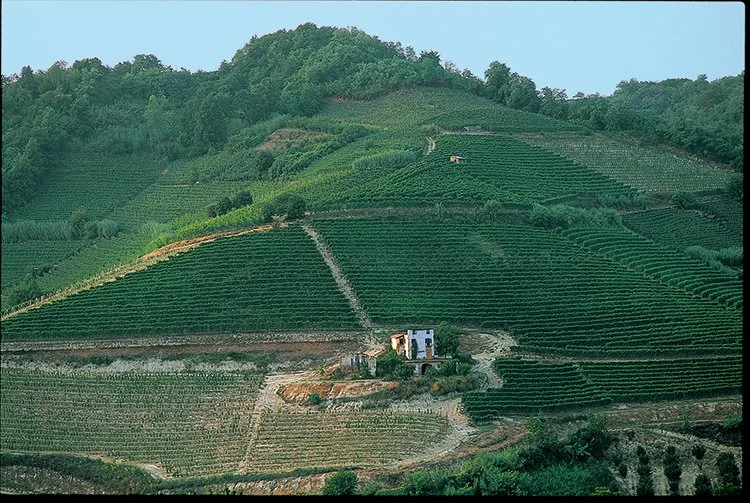
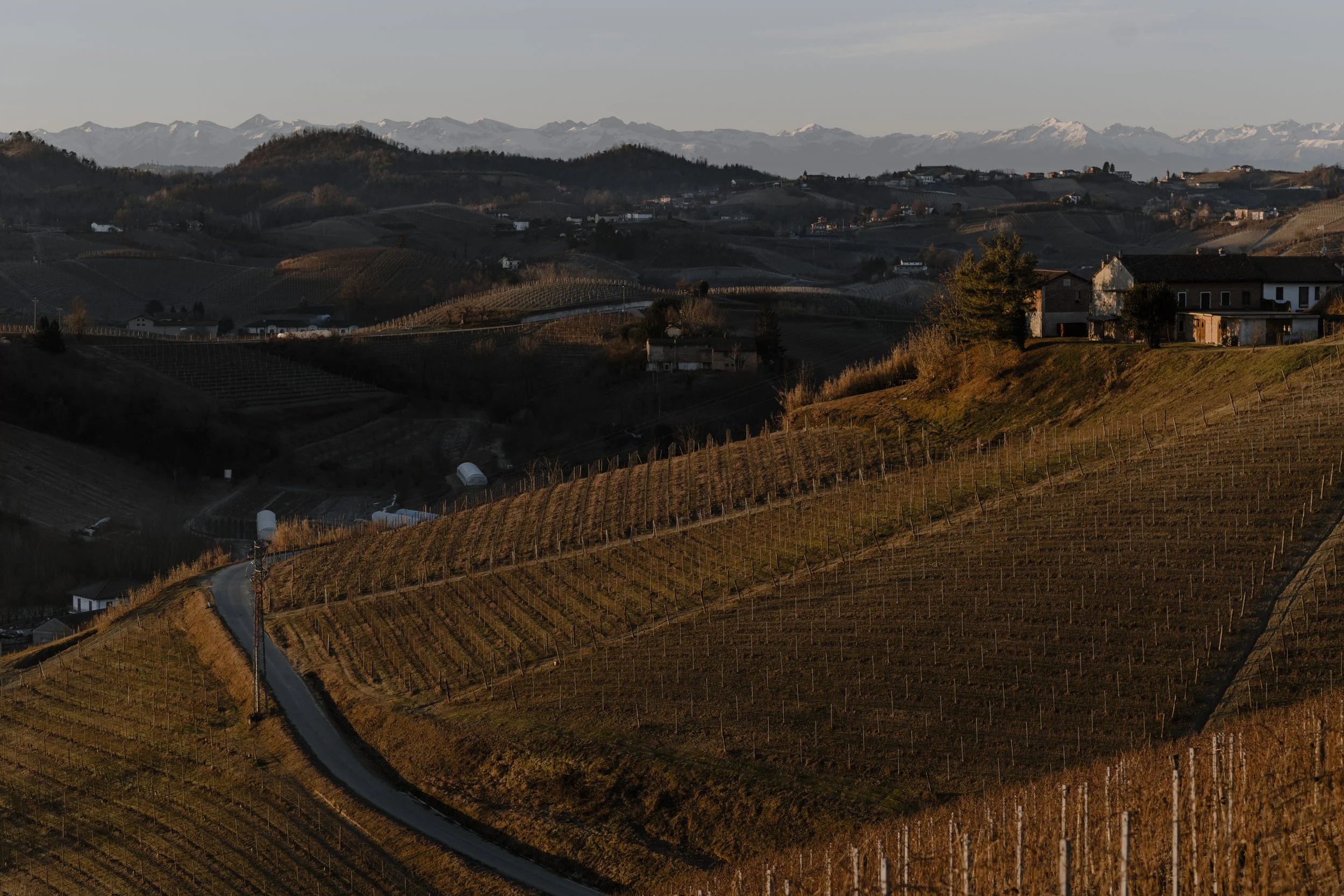
The land has an odd history of its own: these hills were seabed millions of years ago, and shells and marine sediment still turn up in the sand and marl the vines grow in. The estate's 20 hectares sit across the Rocche, Roero's steepest and wildest ground, threaded with centuries-old chestnut trees and woodland. Organic since 2014, the vineyards are farmed less for the certification than for biodiversity — wild herbs sown between the rows each autumn to pull in pollinators and feed the soil at mowing time.
The clearest proof of that philosophy shows up somewhere unglamorous: the sulfur numbers. The estate began testing screw caps in 2008 partly because the format let them push sulfur dioxide well under what organic rules even require — their wines land at 65 mg/l for whites and 80 mg/l for reds, against an organic ceiling of 150 and 100. It's not a detail that sells itself on a label, but it's a real measure of how far past the minimum this estate is willing to go.
Today that's 20 hectares and roughly 140,000 bottles a year, two-thirds red to one-third white, with 60% of production sold abroad — led by the US, Switzerland, Japan, and Germany. What hasn't changed since 1985 is the standard: wine that tastes, specifically and insistently, of this ground.
Products: